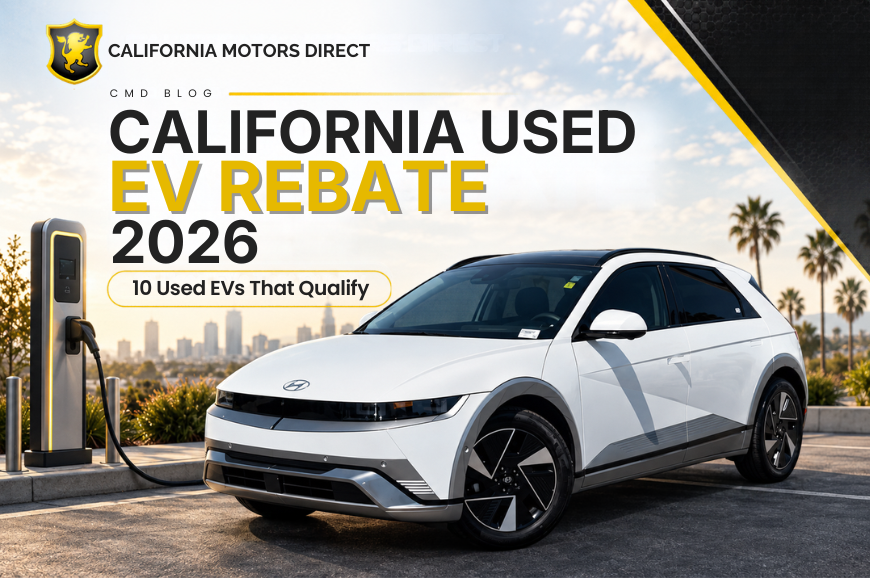
If you’re shopping for a used electric car right now, the California used EV rebate picture looks nothing like it did a year ago. The federal tax credit is gone. A big new state program launched in August, but it leaves out most used-car lots. And the rebate that pays the most money to Southern California buyers is one almost nobody talks about.
We wrote this because our customers kept asking the same question in different ways: what can I actually get? Here’s the honest answer, program by program, with the rules straight from the source.
What California Used EV Rebates Can You Actually Claim in 2026?
There are three kinds of used EV rebate in California right now:
- New state point-of-sale rebate called MyFirstEV.
- Utility rebate from your electric company worth $1,000 to $4,000.
- Income-qualified scrap-and-replace grant worth up to $12,000.
The utility rebate is the one most used-car buyers will actually qualify for, because it doesn’t care where you bought the car.
Each of these has a completely different set of rules. One is limited by your income, one by where you buy, and one by which power company sends you your bill. Getting them mixed up is the single most common mistake we see.
What Is MyFirstEV, And Is It Available Everywhere?
MyFirstEV is California’s new instant rebate for first-time zero-emission vehicle buyers, launched on August 7, 2026. It gives $1,750 off a used ZEV sold for up to $25,000 — but on the used side it only applies to certified pre-owned cars sold through franchised, manufacturer-affiliated dealerships.
We’ll say the part most dealership blogs won’t: that rules us out, and it rules out every other independent lot in the state. Per CARB, the used-vehicle incentive applies only to certified pre-owned EVs sold through franchised dealerships, and “private dealerships are not eligible.” Buyers also have to sign a legal declaration that this is their first EV purchase or lease.
Here’s what the rest of the program includes, so you can weigh your options:
- $3,500 off a new ZEV with an MSRP up to $50,000, and $1,750 off a used one under $25,000.
- Used cars must be at least two model years older than the year of purchase, so only 2024 and older vehicles qualify right now.
- It’s a point-of-sale discount — no application, no waiting for a check.
- It launched with Hyundai, Lucid, and Tesla, followed by Ford, Rivian, Chevrolet, and Kia in August; Toyota/Lexus, Honda, and Subaru in September; and Mitsubishi in November.
What Is The SCE Pre-Owned EV Rebate And How Does It Work?
If your home is on a Southern California Edison residential account, SCE will pay you $1,000 for buying an eligible used EV, or $4,000 if you’re income-qualified — and it doesn’t restrict where you buy the car. SCE’s own FAQ confirms that even vehicles purchased in private transactions, without going through a retailer, are eligible.
Santa Ana is SCE territory. That means an SCE customer buying a used EV from an independent lot here can end up with more rebate money than the same buyer taking the $1,750 at a franchise CPO store — as long as the car is on SCE’s eligible list.
Here are the rest of the rules that matter most:
- Amount: $1,000 standard, or $4,000 through Rebate Plus if you qualify on income, either by enrolling in a qualifying public assistance program or by income verification.
- Vehicle: any battery-electric or plug-in hybrid on the Eligible Vehicle List. SCE’s published program details don’t set a purchase-price cap, a mileage limit, or a model-year cut-off.
- Not eligible: hydrogen fuel cell, compressed natural gas, e-bikes, electric motorcycles, scooters and neighborhood vehicles.
- Eligibility: an active SCE residential customer, with the car registered at your service address. Commercial accounts don’t count.
- Deadline: the application has to be in within 180 days of the sale or lease date.
- Requirements: the vehicle has to stay registered to you in California for at least 20 months.
One more thing worth knowing before you assume you can double-dip: SCE WON’T PAY you if you or a co-owner already took a PG&E Pre-Owned EV Rebate, an SDG&E Pre-Owned EV Rebate, the Clean Fuel Reward, or the California Clean Fuel Reward for that same car.
What If You’re Not An SCE Customer?
Every major California utility runs a version of this rebate, and the amounts are close — but the deadlines and fine print differ enough to cost you money. Here’s the whole landscape in one place.
| Program | Standard | Income-qualified | Who’s eligible | Deadline to apply |
|---|---|---|---|---|
| SCE Pre-Owned EV Rebate Santa Ana is SCE |
$1,000 | $4,000 | Active SCE residential customers | 180 days from sale |
| PG&E Pre-Owned EV Rebate | $1,000 | $4,000 | Active PG&E residential electric customers | 90 days from sale — standard rebate deadline extended to Sept 30, 2026 |
| SDG&E Pre-Owned EV Rebate | $1,000 | $4,000 | Active SDG&E residential customers — one per household for the life of the program | 180 days from sale |
| LADWP Used EV Rebate | up to $1,500 | up to $4,000 | Homes receiving LADWP electric service — EZ-SAVE or Lifeline for the higher tier | 12 months from purchase |
Swipe the table sideways to see every column.
Amounts verified August 31, 2026 with each program administrator. Rebate funding runs out — confirm current terms before you buy.
Two details in that table are easy to miss. PG&E and SDG&E both now require a battery of at least 8 kWh, which quietly excludes older mild plug-in hybrids. And LADWP is the only one with a model-year window on both ends — the car must be at least two years older than the year you apply, but not older than eight.
What Is Clean Cars 4 All?
Clean Cars 4 All is California’s scrap-and-replace program: you retire an old, high-polluting car and the state helps you buy a cleaner one, with grants that reach $10,000 for a zero-emission vehicle plus up to $2,000 for charging for households at or below 300% of the Federal Poverty Level. In Orange County it’s administered by South Coast AQMD under the name Replace Your Ride, which goes up to $12,000 for a battery-electric replacement and $11,500 for a plug-in hybrid.
This is the largest number on the page, and it’s also the hardest to get. You need a qualifying income, a 2010 or older vehicle to scrap, and you generally need to be approved before you buy — not after. Used cars do qualify as replacements.
If you think you might be eligible, start the application first and shop second. We’ve seen the order of operations cost people the whole grant.
10 Used EVs That Qualify For Rebates
Any used battery-electric vehicle or plug-in hybrid on your utility’s eligible vehicle list can qualify — and that covers most models, from high-mileage commuter hatchbacks to three-year-old Teslas. Below are ten vehicles we confirmed using California’s DriveClean incentive lookup for ZIP code 92705 in Santa Ana. Each showed eligibility for SCE’s $1,000 rebate, with an additional $3,000 Rebate Plus available for income-qualified applicants.
1. 2023 Chevrolet Bolt EV
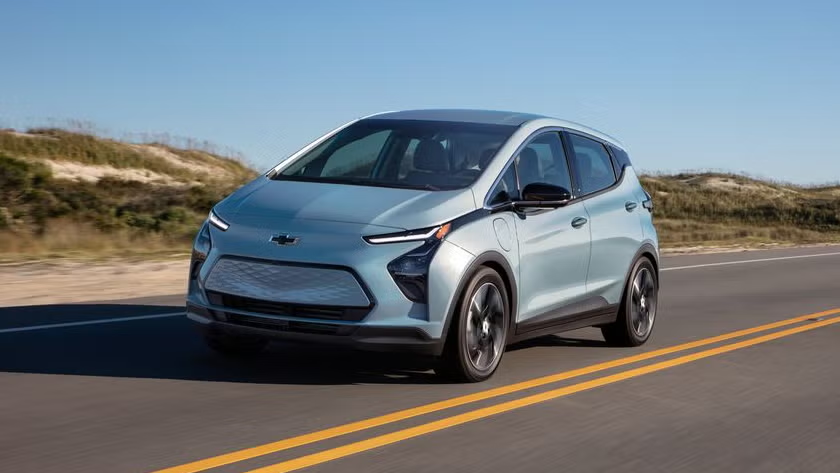
Est. Combined EPA Rating: 120 MPGe
KBB Fair Purchase Price: $19,000 – $21,400
One of the best value picks in the used EV market. It’s roomy for its size, inexpensive to run, and remains one of the most commonly searched used EVs.
2. 2022 Chevrolet Bolt EUV
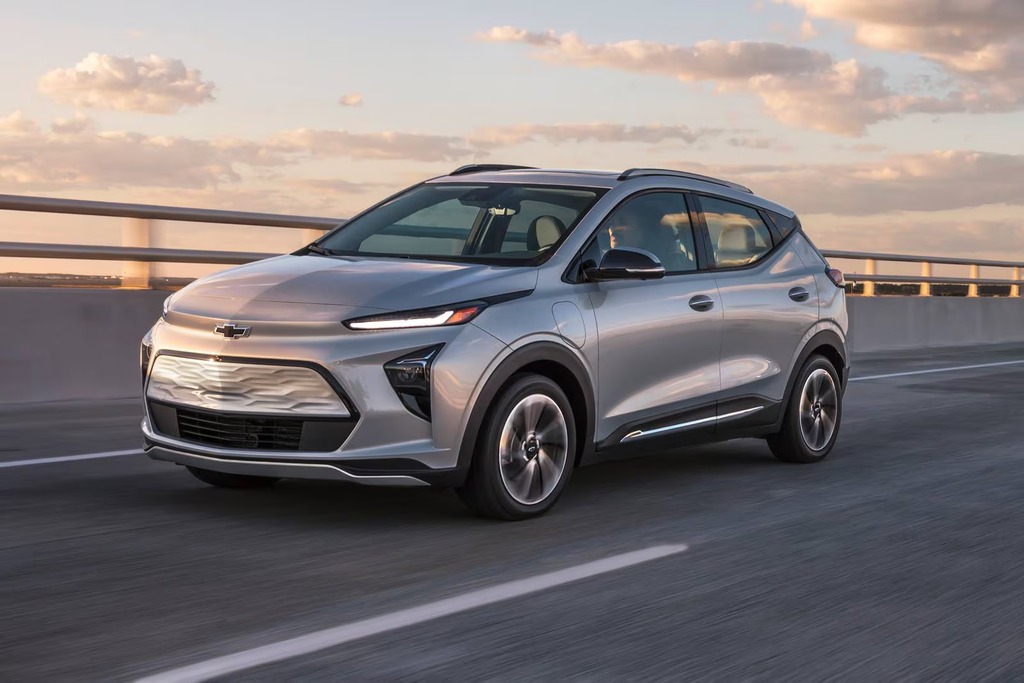
Est. Combined EPA Rating: 115 MPGe
KBB Fair Purchase Price: $19,400 – $20,600
A similar value proposition with more rear-seat space and a little extra everyday practicality. It’s worth the small price increase if you regularly carry passengers or want a bit more room without giving up the Bolt’s easy-to-own appeal.
3. 2024 Nissan LEAF
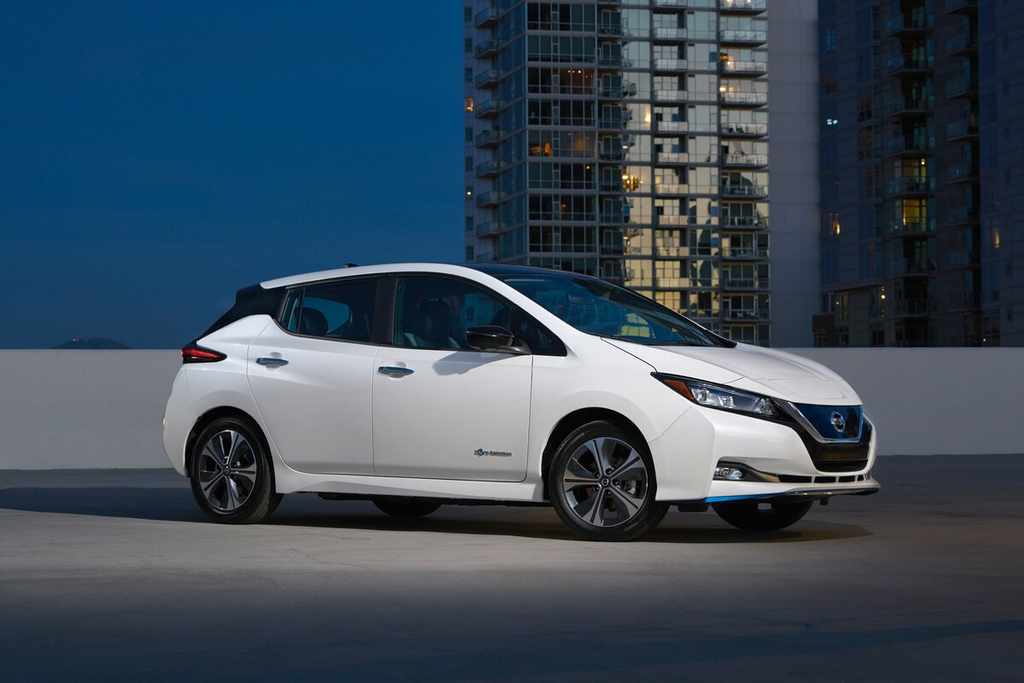
Est. Combined EPA Rating: 111 MPGe
KBB Fair Purchase Price: $16,000 – $20,300
One of the original mass-market EVs and still one of the most affordable ways to go electric. It’s simple, practical, and easy to live with, but be sure to check the battery health report before you commit.
4. 2022 Hyundai Kona Electric
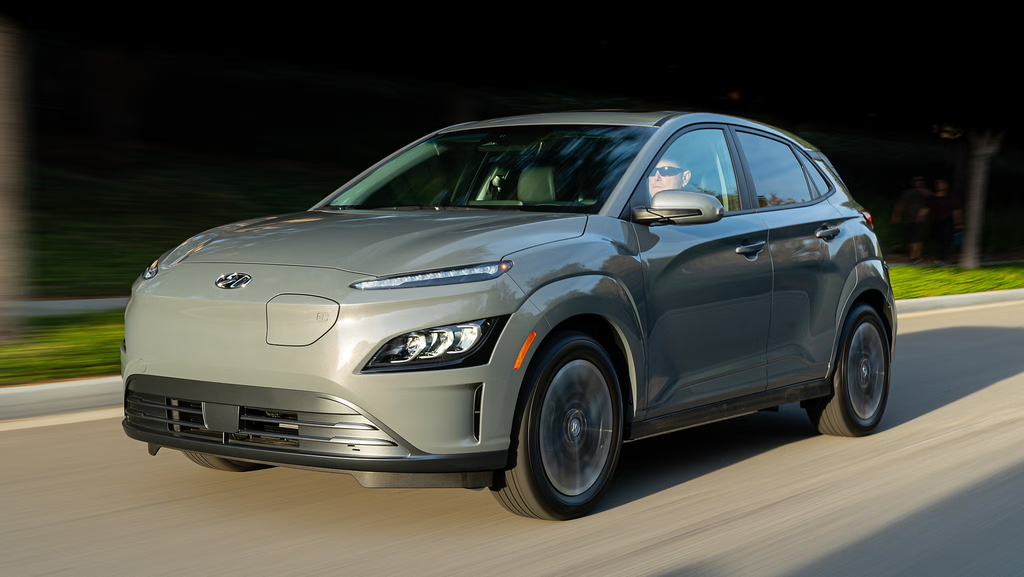
Est. Combined EPA Rating: 120 MPGe
KBB Fair Purchase Price: $17,150 – $18,000
A compact SUV with strong real-world range and an easy-to-manage footprint. It’s a practical fit for Orange County traffic, daily commuting, and drivers who want EV efficiency without moving up to a larger SUV.
5. 2022 Hyundai Ioniq 5
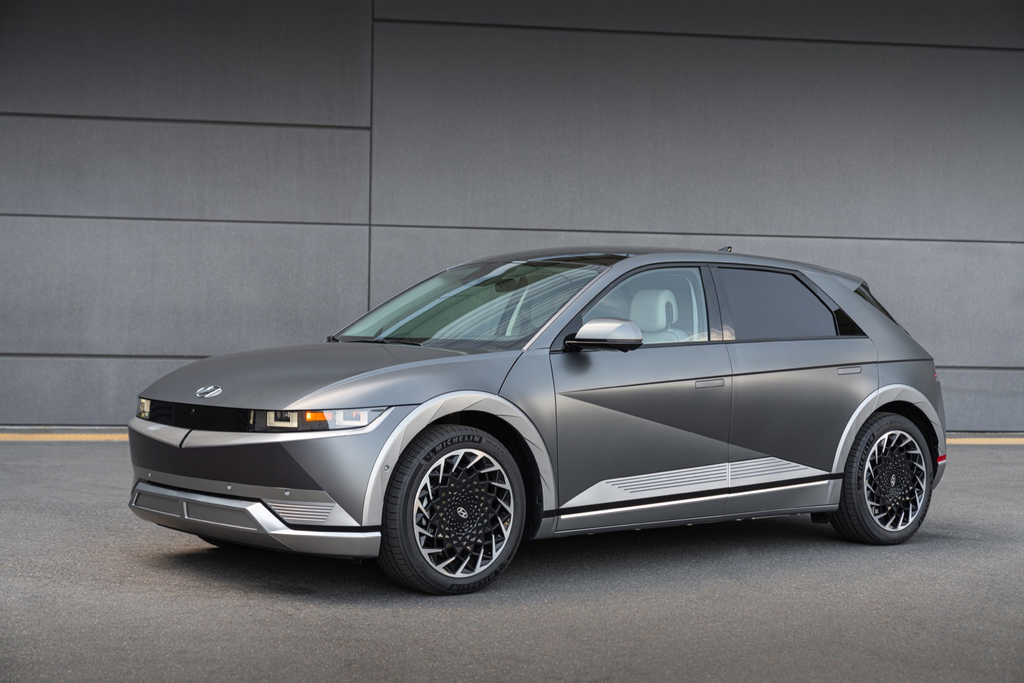
Est. Combined EPA Rating: 114 MPGe
KBB Fair Purchase Price: $16,800 – $22,500
Fast charging, a spacious interior, and a modern design make it one of the more versatile used EVs in its class. It’s also a common alternative for shoppers comparing against the Tesla Model Y.
6. 2022 Kia Niro Electric
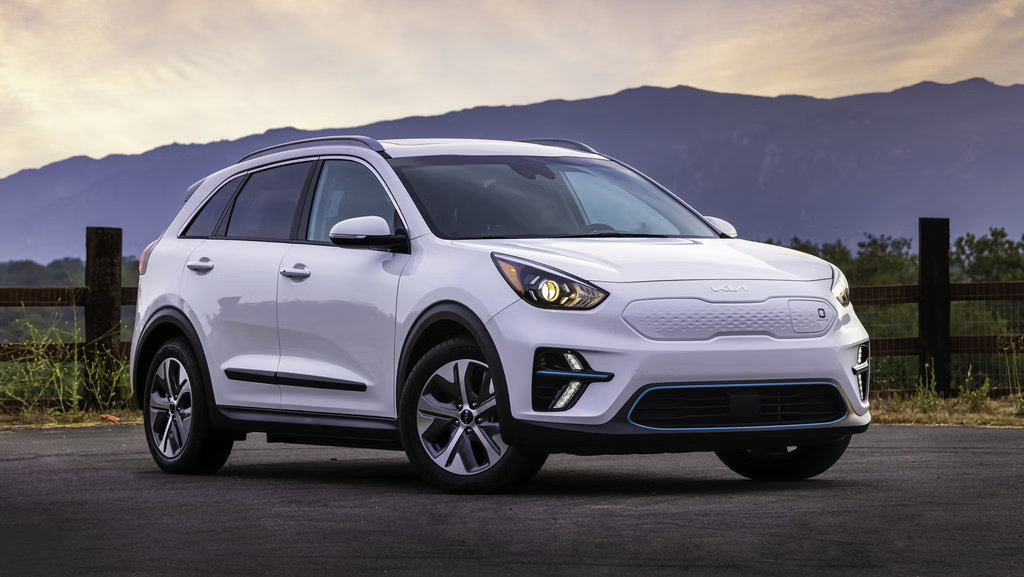
Est. Combined EPA Rating: 112 MPGe
KBB Fair Purchase Price: $17,800 – $18,450
A practical used EV with hatchback versatility, easy everyday drivability, and plenty of room for daily errands. It’s a straightforward choice for drivers who want to go electric without a big learning curve.
7. 2022 Ford Mustang Mach-E
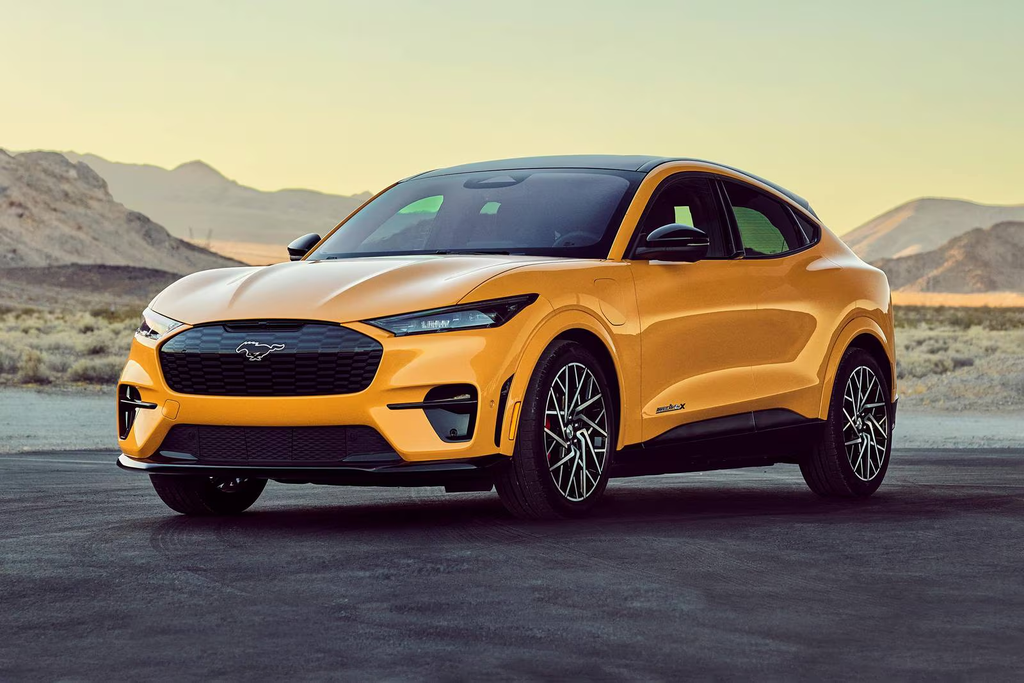
Est. Combined EPA Rating: 82 – 103 MPGe (based on trim)
KBB Fair Purchase Price: $24,300 – $30,700
One of the more performance-focused used EV options, with quick acceleration and a sportier feel than many family crossovers. At the same time, its roomy cabin and practical cargo space make it versatile enough for everyday family use.
8. 2022 Volkswagen ID.4
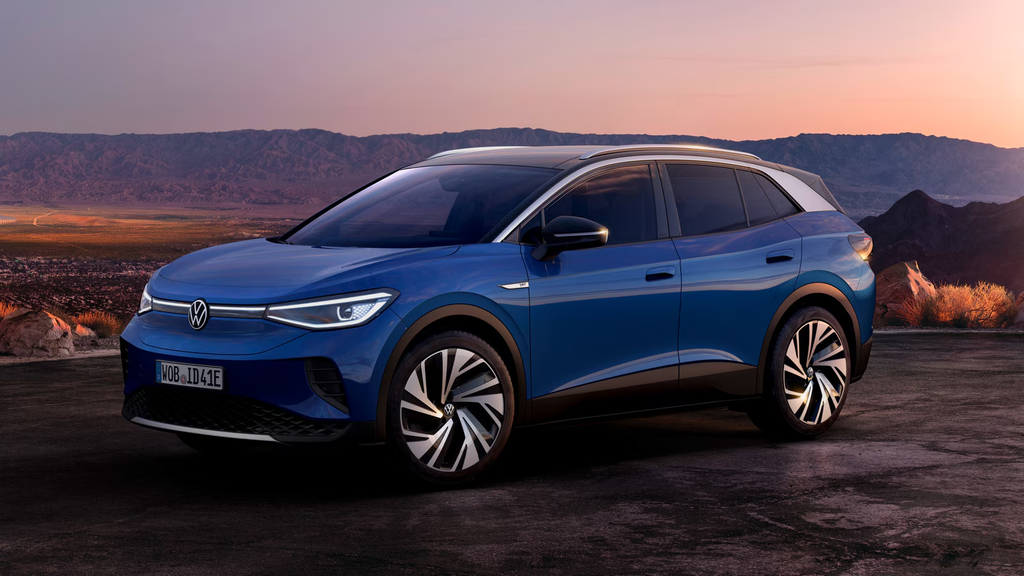
Est. Combined EPA Rating: 107 MPGe
KBB Fair Purchase Price: $18,850 – $21,400
A quiet, comfortable EV with a smooth ride and a roomy cabin. It’s one of the softer-riding options in this group, making it a strong fit for daily commuting, family trips, and drivers who prioritize comfort over sportiness.
9. 2023 Tesla Model Y
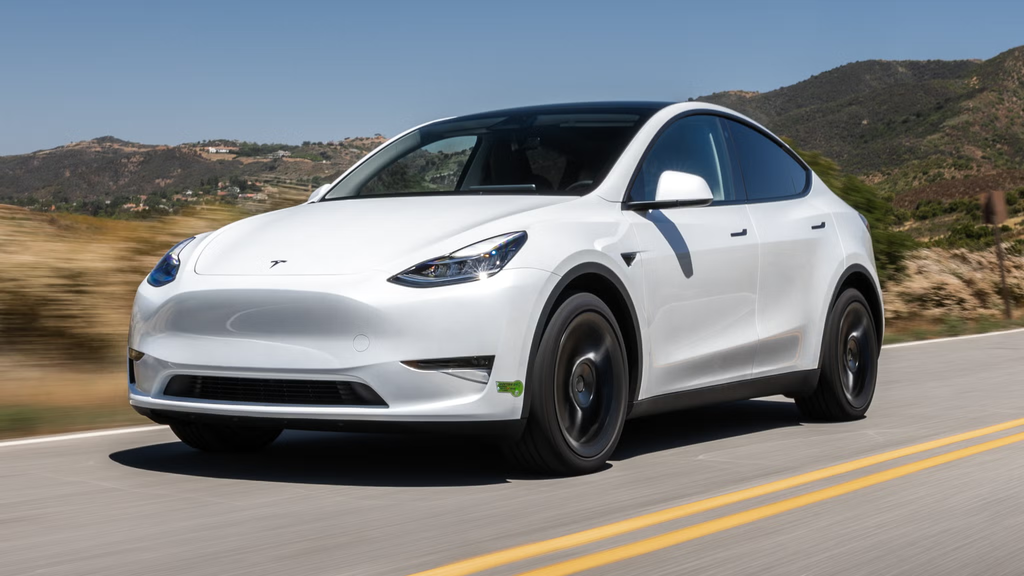
Est. Combined EPA Rating: 123 MPGe
KBB Fair Purchase Price: $31,600 – $33,500
One of the easiest used EVs to live with thanks to Tesla’s expansive Supercharger network. Fast, widely available charging makes longer trips and everyday top-ups more convenient, which remains a major reason shoppers continue to choose the Model Y.
10. 2022 Toyota Prius Prime
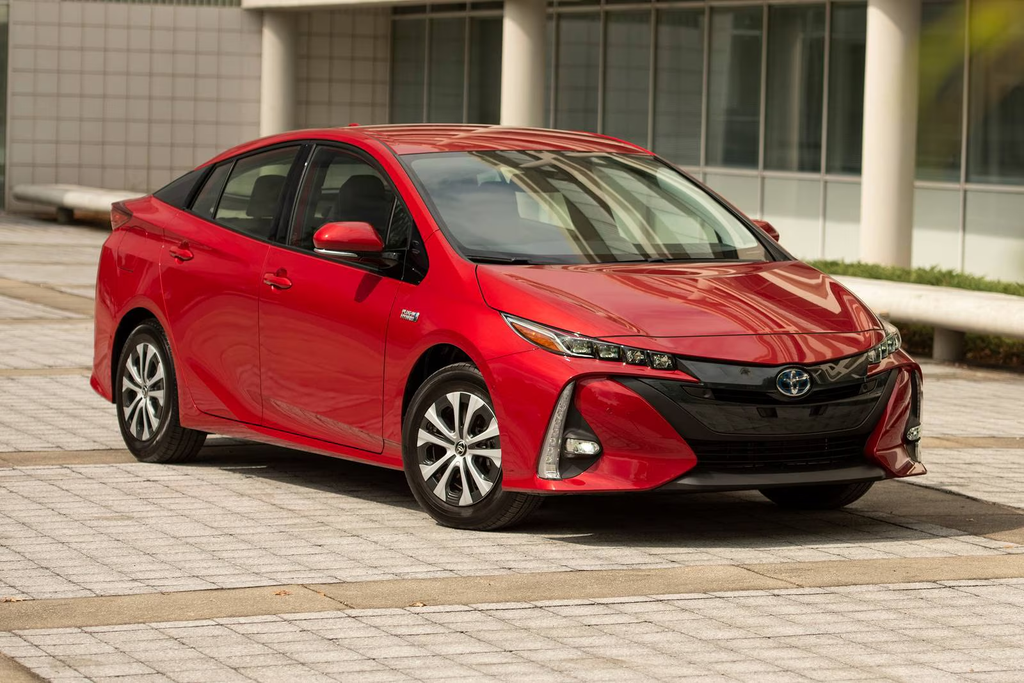
Est. Combined EPA Rating: 133 MPGe
KBB Fair Purchase Price: $21,900 – $23,300
A plug-in hybrid rather than a full EV, but it still qualifies. It gives you electric driving for shorter trips while keeping a gas engine for longer drives, making it a practical choice if you want to ease into electrification without giving up the flexibility of a fuel tank.
Before you buy any specific car, look up that exact year and trim on the DriveClean incentive tool with your own ZIP code. Eligibility is set by year and trim, not just by model name.
Claiming Your Used EV Rebate
For utility rebates, you typically buy the vehicle first and apply afterward online using your bill of sale and registration. The application deadline is where people can miss out: SCE and SDG&E give you 180 days, PG&E gives you 90 days, and LADWP gives you up to 12 months after purchase.
The order that works:
- Confirm the car on your utility’s eligible vehicle list before you sign anything.
- Check your account — the rebate follows the residential electric account at your address, not the car.
- Buy the car, and keep the bill of sale.
- Apply within your window, adding income documentation if you’re going for the $4,000 tier.
- Keep it registered to you in California for at least 20 months. SCE, PG&E and SDG&E all require this.
If you’re income-qualified and have an old car to scrap, do it in the opposite order — apply to Replace Your Ride before you shop.
Frequently Asked Questions:
Can I get a California used EV rebate if I buy from an independent dealership?
Yes, for the utility rebates. SCE, PG&E, SDG&E and LADWP don’t restrict which kind of dealership you buy from, and SCE explicitly allows private-party purchases. MyFirstEV is the exception: its used-vehicle rebate is limited to certified pre-owned cars at franchised dealerships.
Can I stack a utility rebate with MyFirstEV?
SCE’s published list of programs that can disqualify you includes the PG&E and SDG&E pre-owned EV rebates, along with the Clean Fuel Reward programs, but it does not specifically list MyFirstEV. Since MyFirstEV is still relatively new, confirm the current stacking rules with your utility before assuming you can receive both incentives.
Is there a price limit on a used EV rebate?
Not for the SCE, PG&E or SDG&E pre-owned rebates — their published requirements don’t set a purchase-price cap. MyFirstEV does: the used vehicle has to sell for $25,000 or less.
Do plug-in hybrids count, or does it have to be fully electric?
Plug-in hybrids count for the utility rebates. PG&E and SDG&E require a battery of at least 8 kWh. MyFirstEV is zero-emission vehicles only, so plug-in hybrids are out.
What happened to the $4,000 federal used EV tax credit?
It expired for vehicles acquired after September 30, 2025.
👉 MORE: Have More Questions? Get the Answers You Need Here.
Ready To Look At A Used EV In Person?
Rebate paperwork is easier to think about once you’ve actually sat in the car. Come see us at 2345 N Grand Ave, Santa Ana, CA 92705 — we’re open Monday through Saturday 8:00 AM to 9:00 PM and Sunday 9:00 AM to 7:00 PM. You can browse our current inventory before you drive over.
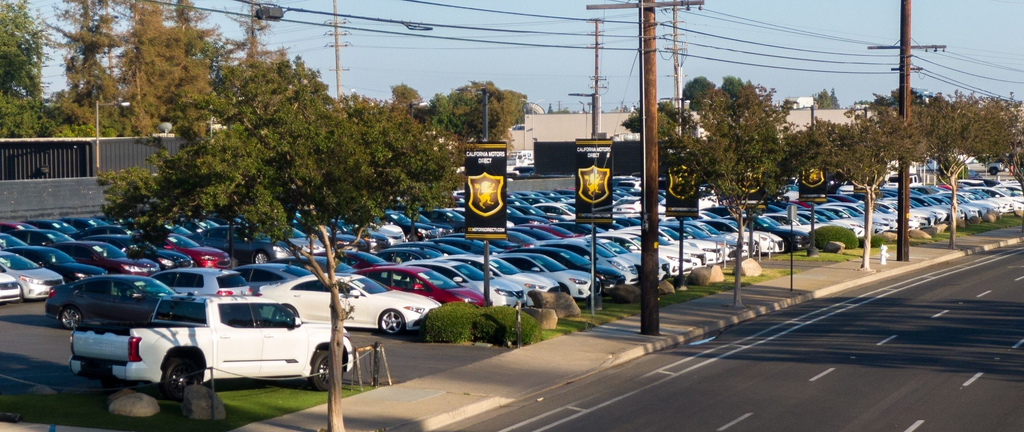
Every vehicle on our lot is hand-selected by our buyers, inspected, emissions-tested and detailed before it’s listed. If it doesn’t meet our standards, it never makes it onto the lot. Financing options are available for a variety of credit situations, and financing is subject to lender approval. Trade-ins are welcome.
Bring your questions about rebates. We’d rather tell you which ones you can’t get than watch you find out later.