Category: Guides

  • How to Buy a Car with Bad Credit

    Yes, You Can Buy a Car with Challenged Credit. Having challenged credit doesn’t mean you can’t buy a car. While a bad credit score may make financing more difficult, there are still ways to secure an auto loan and drive away in a reliable vehicle. By taking the right steps—such as understanding and improving your credit score, budgeting wisely, exploring loan options, and making informed decisions—you can successfully purchase a car without falling into financial pitfalls or facing rejection from dealerships.

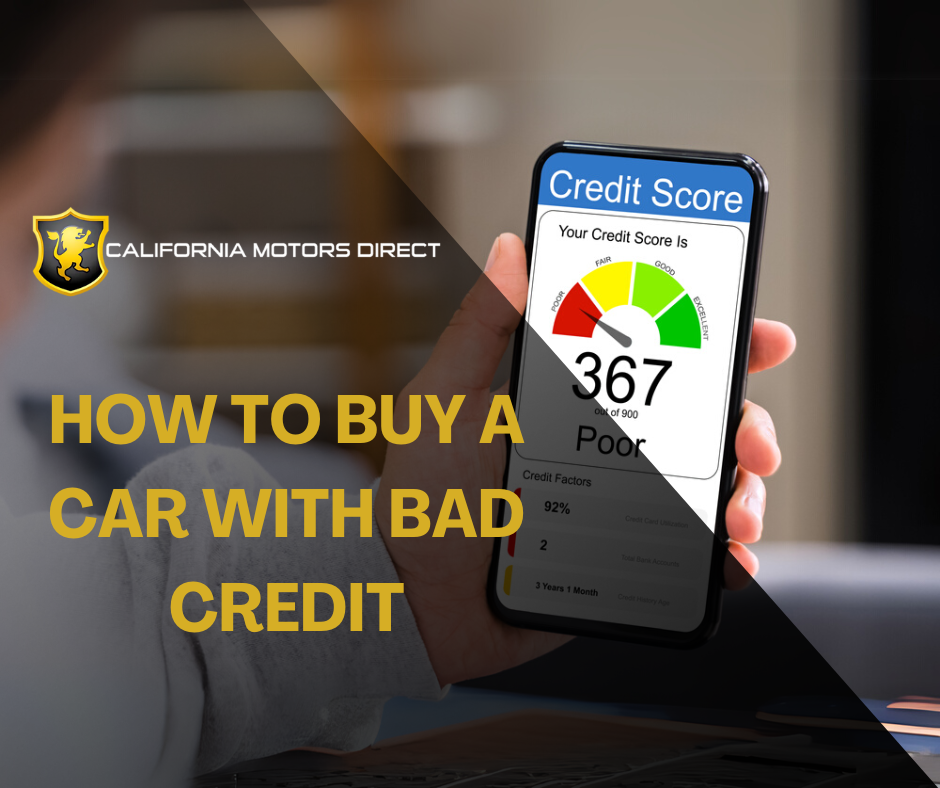
    A credit score is a number that represents your creditworthiness, based on factors like payment history, credit utilization, and the length of your credit history. Of course, you would want to get a sense of where you are prior to purchasing your next car.

    Excellent – 800 to 850

    Very Good – 740 to 799

    Good – 670 to 739

    Fair – 580 to 669

    Poor – 300 to 579

    You can use free services like Experian, Credit Karma, or AnnualCreditReport.com to check and review your credit report. This gives you the opportunity to identify any inaccuracies or errors that may be negatively affecting your score. If you spot any mistakes, you can dispute the incorrect information with the credit bureau to help improve your rating.

    Before venturing out on your search for your next vehicle, it’s important to know that even with bad credit, you can take steps to improve your credit score. The higher your credit score, the more flexible your financing options will be. Improving your credit can increase your chances of securing better loan terms, lower interest rates, and more favorable payment plans. While it isn’t difficult to improve your credit, it will take some time and consistent effort.

    Some tips on improving your credit:

    • Pay off outstanding debts
    • Make on-time payments
    • Avoid opening new credit accounts
    • Put major purchases on hold

    One of the best ways to offset a low credit score when purchasing a car is to come prepared with a clear budget and a larger down payment. A well-planned budget ensures you stay within your financial limits. This not only makes the purchase more manageable but also signals to dealerships that you’re serious and financially capable. 

    How to Determine Your Budget:

    • Factor in the cost of monthly payments, insurance, taxes, fuel, and maintenance.
    • Use an auto loan calculator to estimate how much you can afford.
    • Stick to a monthly payment that’s no more than 15% of your income to avoid financial strain.

    Why a Larger Down Payment Helps:

    • Reduces the amount you need to finance, lowering your monthly payments.
    • Improves approval chances by showing lenders you’re financially responsible.
    • May qualify you for better loan terms and lower interest rates.

    A bigger down payment can improve your chances of securing approval, even with bad credit, and may help you avoid high-interest rates or unfavorable terms. If possible, aim for a down payment of at least 10-20% of the car’s price.

    Not all lenders have the same requirements, so it’s important to shop around for the best financing option that suits your credit situation.

    Types of Auto Loans Available:

    Getting Pre-Approved:

    • Helps you avoid last-minute loan denials or unfavorable terms.
    • Pre-approval allows you to compare interest rates before visiting a dealership.
    • Shows sellers you are a serious buyer with financing already in place.

    Selecting a vehicle that fits your budget and needs is just as important as securing a loan. By focusing on a vehicle that aligns with your financial situation and lifestyle, you’ll ensure that your purchase is both practical and sustainable in the long run. A well-chosen car can also help you avoid overextending yourself financially, even with bad credit.

    Best Car Buying Strategies for Bad Credit:

    • Opt for a Used Car – A pre-owned vehicle typically costs less, which means smaller loan amounts and lower monthly payments.
    • Check Vehicle History – Use Carfax or AutoCheck to verify past ownership, accident reports, and title status.
    • Research Pricing – Compare market values using Kelley Blue Book or Edmunds to ensure you’re getting a fair deal.
    • Avoid Costly Add-ons – Extended warranties and unnecessary upgrades can increase your loan amount unnecessarily.

    Once you’ve chosen your car and financing option, the next step is securing the loan and setting yourself up for future credit success.

    How to Secure a Fair Loan:

    • Provide proof of steady income and employment to increase lender confidence.
    • Carefully review loan terms to understand the interest rate, fees, and repayment schedule.
    • Avoid lenders with excessively high-interest rates or unfair penalties.

    Rebuilding Your Credit After Purchase:

    • Make all payments on time – Late payments can further damage your score.
    • Consider refinancing later – If your credit improves, you may qualify for a lower interest rate.
    • Keep credit balances low – Managing your existing credit well can gradually boost your score.

    By consistently making timely payments, you can improve your credit and qualify for better financial opportunities in the future.

    Buying a car with challenged credit is possible when you take the right approach. By checking your credit, setting a realistic budget, exploring financing options, choosing the right vehicle, and responsibly managing your loan, you can get behind the wheel without unnecessary financial stress.

    If you’re ready to find your next car, get started by contacting us today! Browse our selection, get pre-approved, and schedule your test drive. Reach out to California Motors Direct to begin your car-buying journey!

  • What To Know When Buying a Used Car

    Buying a used car has become an increasingly popular choice—and for good reason. It offers the perfect balance of affordability, value, and variety. Whether you’re looking for a budget-friendly commuter, a reliable family SUV, or a luxury model at a fraction of the price, the used car market has something for everyone. In this blog, we’ll walk you through everything you need to know before making your purchase. From knowing where to buy used vehicles to choosing the right car and avoiding common pitfalls, we’re here to make your car-buying journey smooth and rewarding. Let’s dive in!

    When purchasing a used car, buyers have multiple options: dealerships, private sellers, online marketplaces, and auctions. While each has its pros and cons, buying from a dealership often offers the most peace of mind. Here’s why:

    • Certified Pre-Owned (CPO) Vehicles: Dealerships offer Certified Pre-Owned (CPO) vehicles, which have undergone multi-point inspections and meet manufacturer standards. Many come with extended warranties, roadside assistance, and additional perks that private sellers and auctions don’t offer.
    • Financing & Payment Flexibility: Dealerships offer financing options that private sellers and auctions don’t. They will assist you in securing financing for your purchase, simplifying the process. You can trade in your current vehicle to reduce the cost. Special promotions, low-interest loans, or extended warranties may be available which will further assist you on your buying journey.
    • Easier Title & Registration Process: Dealerships handle all the paperwork, title transfers, and DMV registration, saving you time and hassle. Private sellers require you to manage these steps yourself, increasing the chance of errors or title fraud.

    Setting a budget before buying a used car isn’t just smart—it’s essential. Without it, you risk overspending, facing unexpected costs, and ending up with a car that strains your finances. The sticker price is just the start—taxes, insurance, fuel, and maintenance can quickly add up. A solid budget keeps you in control, ensuring you can afford both the car and the long-term costs that come with it. With pre-approved financing, you can also secure better interest rates and avoid overpaying. By setting a budget, you protect your finances and make a confident, informed decision. It’s the key to buying a reliable car that won’t become a financial burden.

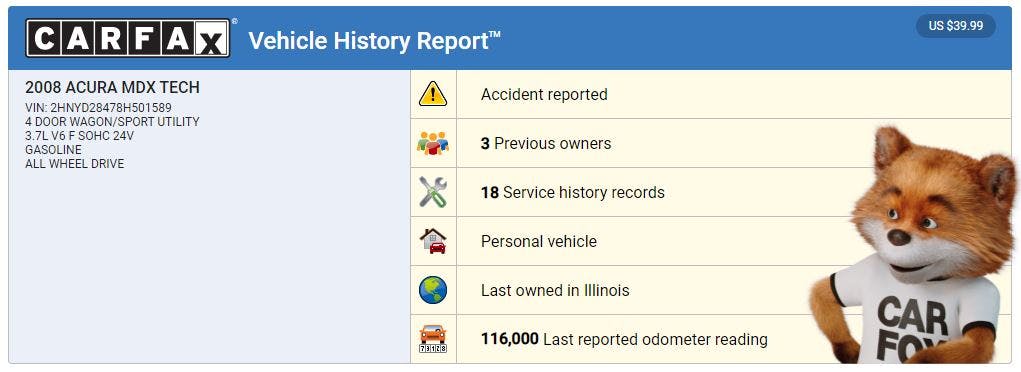
    Before buying a used car, checking the vehicle history report is a must.You can do this using reputable sources like CARFAX or AutoCheck with the VIN (Vehicle Identification Number), which is key to verifying the car’s history. This will provide essential details about the car’s past, including accidents, previous owners, title status, and any potential damage. The VIN also ensures that the car’s history report matches the vehicle you’re considering, protecting you from fraudulent sellers. This step helps you avoid costly surprises and ensures you’re making a safe, informed decision. The report flags issues like salvage titles, odometer discrepancies, and accident history, all of which can dramatically impact the car’s value and safety. It also reveals if the car was regularly maintained or neglected, offering a glimpse into its overall condition. By reviewing the report, you protect yourself from buying a car with hidden problems that could cost you later. DON’T SKIP THIS STEP—it’s a small investment that can save you big down the road.

    Once you’ve chosen the car you want to purchase, don’t rush into buying it without taking it for a test drive. A test drive is your best opportunity to assess the car’s performance and uncover potential issues. During the test drive, pay attention to:

    • Strange Noises – Knocking, grinding, or squealing sounds could indicate engine or brake problems.
    • Braking Performance – Soft or unresponsive brakes may signal worn-out components.
    • Steering and Suspension – Does the car drift, shake, or feel stiff?
    • Acceleration and Transmission – Watch for delays, jerking, or slipping when shifting gears.
    • Dashboard Warning Lights – If the check engine, ABS, or airbag light is on, ask for an explanation.

    Don’t rush the test drive—take your time and drive on different road types (highway, city streets, rough roads) to get a complete feel for the car.

    Before negotiating, research the vehicle prices and compare them with the market value. This can be done using:

    • Kelley Blue Book (KBB) – One of the most trusted names in the industry, offers accurate pricing for private party and dealer sales, helping you spot potential hidden issues with underpriced cars or opportunities to negotiate overpriced ones.
    • Edmunds Used Car Appraisal Tool – Provides market trends and resale value insights, giving you a clear picture of how the car has held its value.
    • NADA Guides – Used by lenders to determine loan values, it’s a reliable benchmark for car pricing and negotiating with dealer.

    Buying a used car is a big investment, and it’s not always a smooth ride. But when you buy from a trusted dealership, you gain peace of mind and the quality assurance. With these expert tips and insights in hand, you’re ready to venture on with your car-buying journey with confidence—making a smart, informed choice every step of the way. Your perfect used car is out there, and now you have the knowledge to find it!