Tag: Hybrid Cars

  • Top Fuel-Efficient Used Cars In 2026

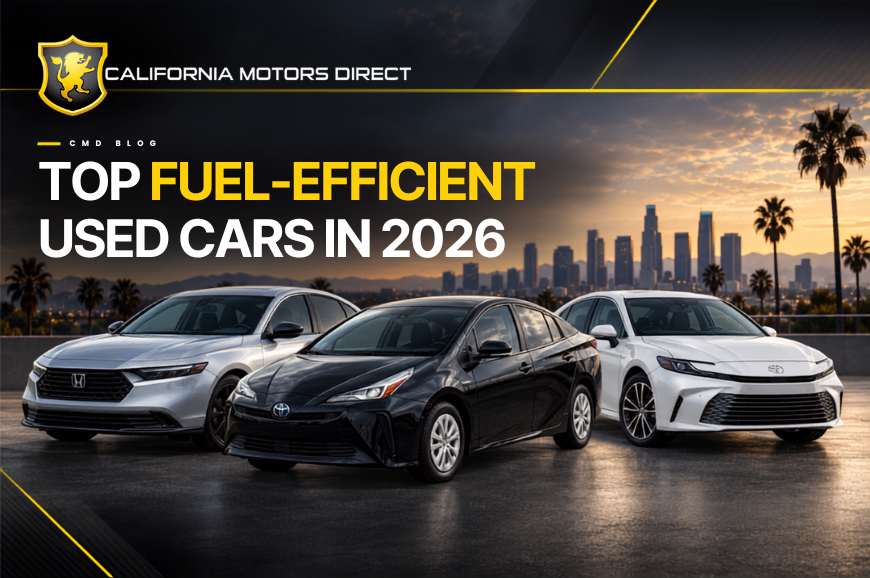
    Fuel-efficient sedans parked outdoors, highlighting top cars to save on gas in 2026

    Gas prices in California remain among the highest in the nation, making fuel efficiency more than just a perk—it’s one of the smartest financial decisions you can make when buying a car. For used car buyers in 2026, choosing a fuel-efficient vehicle can translate into thousands of dollars saved over time.

    That’s why the RIGHT choice matters more than ever. A well-selected used car can deliver long-term value, reliability, and real savings over time.

    This guide is designed to give you everything you need in one place: a clear breakdown of the top fuel-efficient used cars available in 2026, what makes them stand out, and how to choose the one that best fits your needs.

    Before diving into the best fuel-efficient used cars, it’s important to understand what actually impacts real-world MPG — not just what you see on a sticker.

    Hybrid Systems

    Hybrid systems perform best in stop-and-go driving, where regenerative braking captures energy and can significantly improve city MPG compared to gas-only vehicles.

    Lightweight Vehicles

    Lightweight vehicles typically consume less fuel, which means lower long-term fuel costs — especially for daily commuters.

    Transmission & Drivetrain Efficiency

    Modern transmissions (CVTs and efficient automatics) and front-wheel drive layouts often deliver better fuel economy than older or performance-focused setups.

    Consistent Maintenance

    Proper maintenance — including tire pressure, oil changes, and air filters — can improve fuel economy by 5–10% and prevent MPG loss over time.

    Aerodynamics & Speed Efficiency

    Aerodynamics and highway speed play a major role in fuel efficiency. Driving above 65–70 mph significantly increases drag and can reduce MPG by 10–20%.

    Driving Style

    Driving style can have a significant impact on fuel economy. According to the U.S. Department of Energy, driving habits can affect fuel efficiency by up to 15–30%, with aggressive acceleration and braking significantly reducing MPG.

    Now that you understand what drives real-world fuel efficiency, the best used cars combine several of these factors — especially hybrid systems, lightweight design, and efficient drivetrains.

    👉MORE: Best Affordable Hybrid Used Cars Under $20k.

    Below are the top-performing used vehicles that balance fuel economy, reliability, comfort, and long-term value.

    1. Toyota Prius (2016-2022): Best Overall Fuel Efficiency

    The Toyota Prius continues to set the standard for fuel-efficient used cars, delivering consistent savings and proven reliability—especially in stop-and-go driving where hybrids excel.

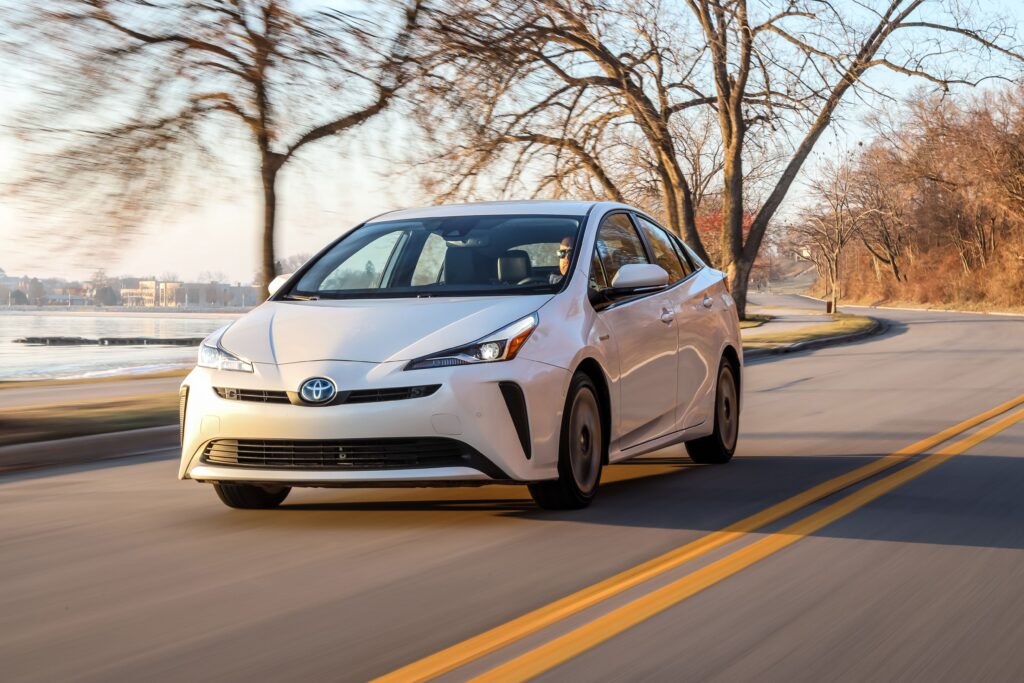
    2022 Toyota Prius driving on the road, showcasing a fuel-efficient hybrid car ideal for saving on gas and long commutes.

    Why It Stands Out:

    • Up to 50–56 MPG combined (EPA-estimated)
    • Cut fuel costs nearly in half vs. a typical 25 MPG vehicle
    • Toyota’s proven hybrid system has a strong reliability track record, often lasting 150,000+ miles with proper care.
    • Lower long-term ownership costs than most gas vehicles
    • Reduced brake wear thanks to regenerative braking

    ⚠️ What to Consider:

    • Older models may have outdated infotainment systems
    • Hybrid battery replacement can be costly (though uncommon)
    • Not built for performance driving

    🔑 Best For:

    • Daily commuters
    • Rideshare & delivery drivers
    • Anyone prioritizing maximum gas savings

    💡 Why It’s #1: It combines class-leading fuel economy, proven long-term reliability, and low operating costs—consistently delivering real-world savings and making it one of the smartest used car buys in its price range.

    👉 MORE: Learn How Hybrid Vehicles Reduce Your Total Cost of Ownership.

    2. Toyota Corolla Hybrid (2020–2024): Best Budget-Friendly

    The Toyota Corolla Hybrid offers Prius-level efficiency in a more traditional sedan, delivering strong fuel savings, low ownership costs, and proven long-term reliability—making it one of the smartest and most affordable fuel-efficient used cars in its class.

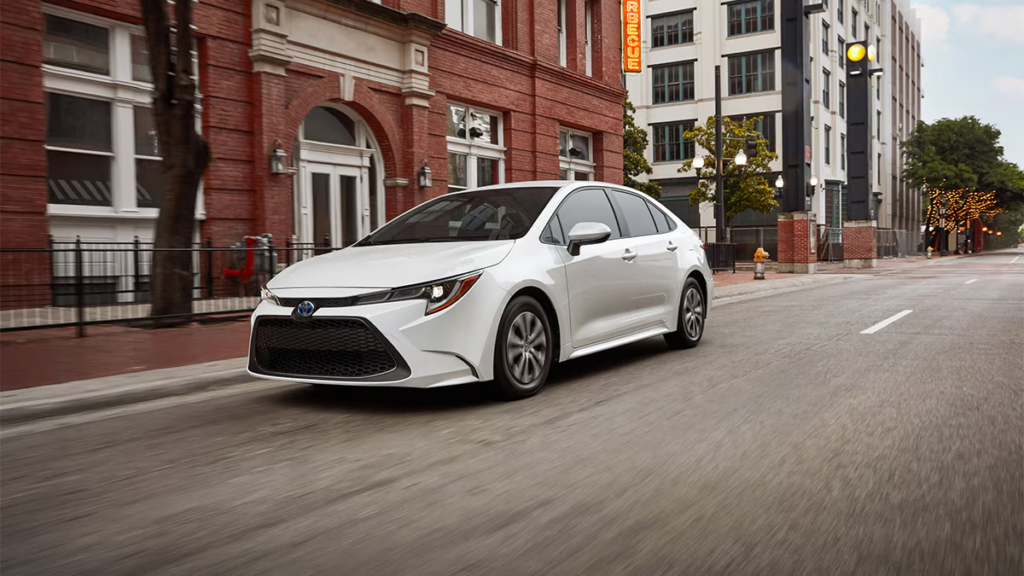
    2024 Toyota Corolla Hybrid driving through a city street, showcasing a fuel-efficient and reliable sedan ideal for daily commuting.

    Why It Stands Out:

    • ~50 MPG combined, with real-world efficiency rivaling the Prius
    • Can reduce fuel costs by 30–40% compared to a typical gas-only sedan
    • Lower purchase price than most hybrid alternatives
    • Proven Toyota hybrid system with low maintenance costs
    • Smooth, easy driving for city and daily commuting

    ⚠️ What to Consider:

    • Less cargo space than hatchback options like the Prius
    • Interior materials and features are more basic than higher-end hybrids
    • Modest acceleration compared to non-hybrid vehicles

    🔑 Best For:

    • Budget-conscious buyers
    • First-time car owners
    • Urban commuters

    💡 Value Insight: This is one of the lowest-risk hybrid purchases—you get efficiency without the premium price.

    Price Range: Most 2020–2024 Corolla Hybrid models typically range from $20,000 to $27,000, making them one of the most affordable ways to get hybrid-level fuel savings.

    3. Honda Accord Hybrid (2018–2022): Best for Comfort

    The Honda Accord Hybrid blends impressive efficiency with a spacious, refined ride, making it ideal for long drives and daily commuting. With smooth performance, excellent fuel economy, and a quiet, comfortable cabin, it stands out as one of the most well-rounded fuel-efficient sedans in its class.

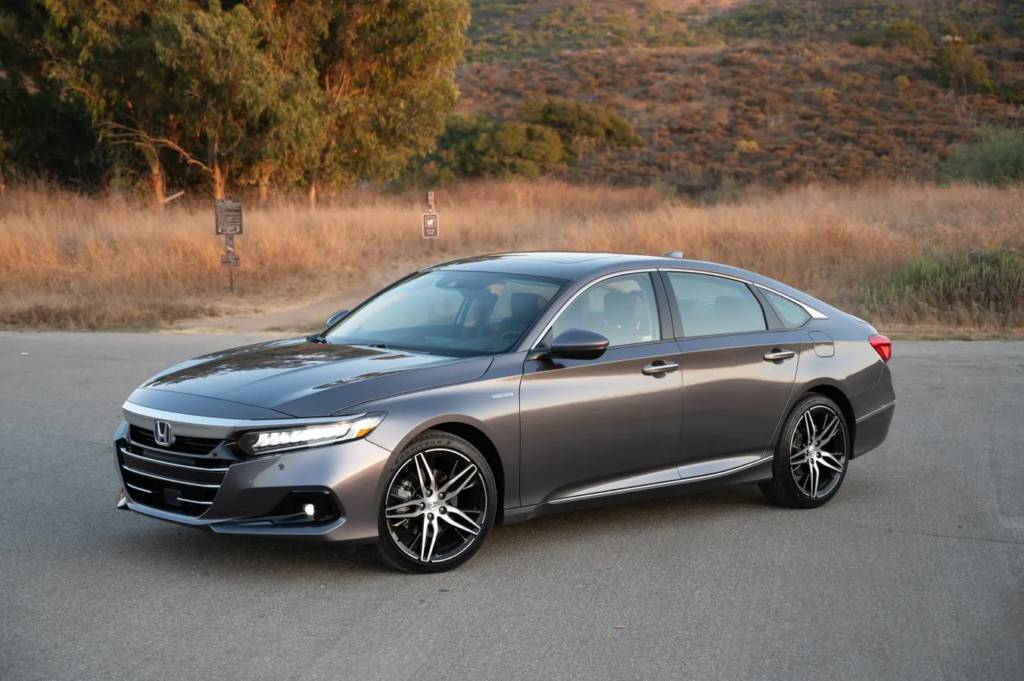
    2022 Honda Accord Hybrid parked outdoors, showcasing a fuel-efficient and comfortable sedan ideal for long commutes.

    Why It Stands Out:

    • ~44–48 MPG combined, excellent for a midsize sedan
    • Reduce fuel costs by 25–35% vs. a typical gas-only midsize sedan
    • Spacious interior with more rear legroom than compact hybrids
    • Lower long-term maintenance costs than many midsize competitors
    • More natural acceleration feel than most hybrid systems

    ⚠️ What to Consider:

    • Higher purchase price than compact hybrids
    • Not as fuel-efficient as smaller options like the Prius
    • Larger size may feel less nimble in tight city driving

    🔑 Best For:

    • Long-distance commuters
    • Families needing more space
    • Drivers prioritizing comfort and ride quality

    💡 Value Insight: Delivers near-compact hybrid efficiency with more space and comfort, making it one of the best all-around options for daily driving.

    Price Range: Most 2018–2022 Honda Accord Hybrid models typically range from $22,000 to $30,000, depending on trim, mileage, and condition.

    👉 MORE: Browse More Comfortable Fuel-Efficient Cars in Stock.

    4. Toyota Camry Hybrid (2018–2022): Best Highway Hybrid

    The Toyota Camry Hybrid stands out for its ability to deliver consistent fuel efficiency at highway speeds—making it one of the best choices for drivers who spend more time on the freeway than in stop-and-go traffic.

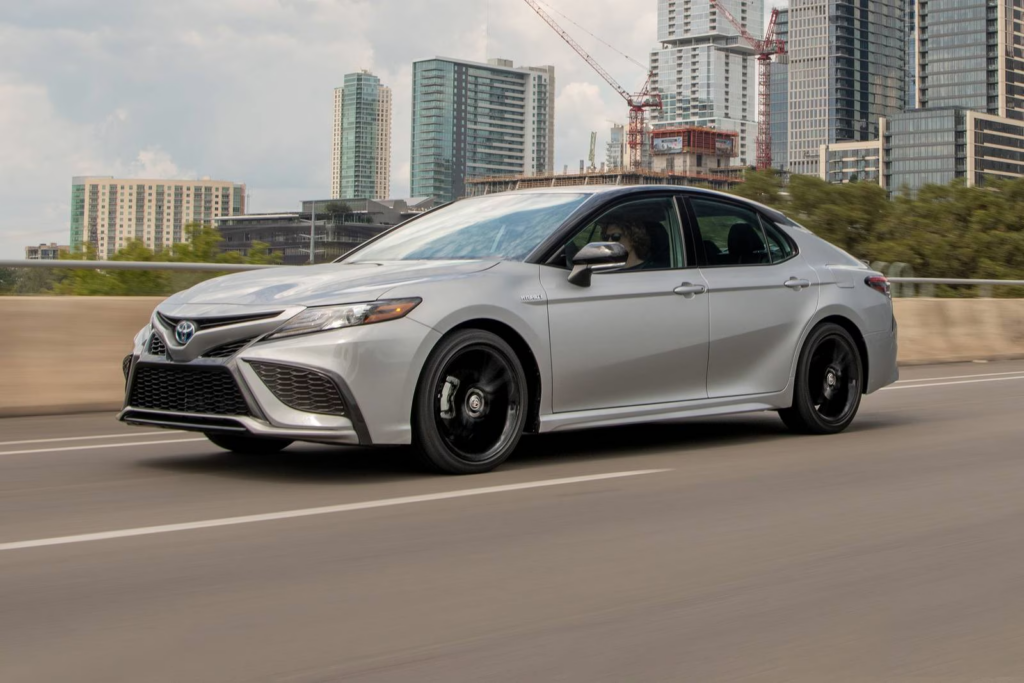
    2022 Toyota Camry Hybrid driving on a city highway, showcasing a fuel-efficient and reliable sedan ideal for long daily commutes.

    Why It Stands Out:

    • ~45–52 MPG combined → excellent efficiency for a midsize sedan
    • Lower fuel cost vs gas-only sedans → typically saves $1,000+/year for commuters
    • Smooth, stable handling → reduces fatigue on long highway drives
    • Many Camry Hybrid models are known to exceed 150,000–200,000 miles with proper maintenance.
    • Excellent safety scores, including strong crash-test ratings from the IIHS and NHTSA.

    ⚠️ What to Consider:

    • Not as fuel-efficient as smaller hybrids like the Prius
    • Driving feel is more comfort-focused than sporty
    • Higher upfront cost compared to compact sedans

    🔑 Best For:

    • Freeway commuters (30+ miles daily)
    • Long-distance drivers
    • Drivers who want strong MPG without sacrificing comfort

    💡 Value Insight: One of the best hybrids for drivers who rack up highway miles—delivering consistent fuel savings without sacrificing comfort or long-term reliability.

    Price Range: Most 2018–2022 Toyota Camry Hybrid models typically range from $23,000 to $31,000, depending on trim, mileage, and condition.

    👉 MORE: Browse More of Our Top Used Cars for Long Commutes.

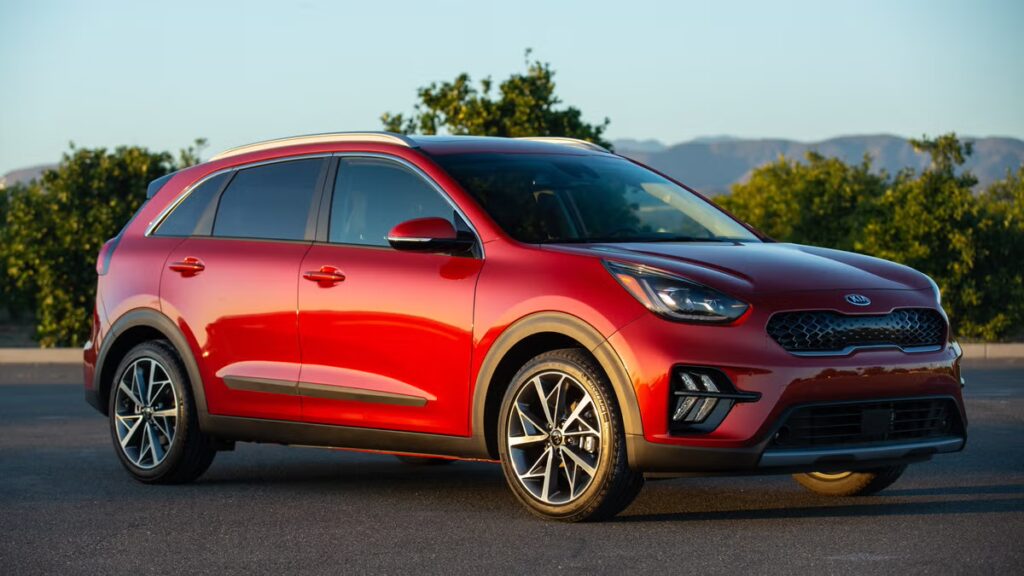
    5. Kia Niro Hybrid (2019–2023): Best Fuel-Efficient SUV

    The Kia Niro Hybrid stands out as one of the few SUVs that delivers true sedan-level fuel economy—making it a standout choice for drivers who want SUV practicality without the high fuel costs typically associated with the segment.

    2023 dark green Kia Niro hybrid SUV parked by the shoreline with a city skyline in the background, highlighting efficiency and practicality.

    Why It Stands Out:

    • ~50–53 MPG combined → exceptional efficiency for an SUV
    • Reduce fuel costs by 30–40% vs a typical gas-only compact SUV
    • Compact SUV design with hatchback versatility for cargo and daily use
    • Smooth, quiet ride ideal for city driving and commuting
    • Typically exceed 120,000–150,000 miles with proper maintenance

    ⚠️ What to Consider:

    • Less powerful than traditional gas SUVs
    • All-wheel drive is not available (front-wheel drive only)
    • Interior materials are more practical than premium
    • Not designed for towing or off-road capability
    • Smaller overall size than traditional SUVs, which may limit cargo space

    🔑 Best For:

    • City drivers who want SUV practicality without high fuel costs
    • Small families or drivers needing flexible cargo space and efficiency
    • Buyers prioritizing maximum MPG in an SUV format

    💡 Value Insight: Compared to SUVs like the RAV4 Hybrid or CR-V Hybrid, the Niro prioritizes maximum MPG over size—making it one of the most efficient SUVs ever built.

    Price Range: Most 2019–2023 Kia Niro Hybrid models typically range from $20,000 to $29,000, depending on trim, mileage, and condition.

    👉 MORE: Explore More of Our Top Budget-Friendly Used SUVs.

    Fuel efficiency isn’t just about MPG—it’s about finding the right fit for how you drive. Whether it’s a hybrid for city traffic or a comfortable cruiser for long commutes, the right choice will save you money every mile. Choose what fits your lifestyle, and the savings will follow.

    👉 For More Information, Contact Us Here.

  • Top 5 Used Cars for Long Commutes

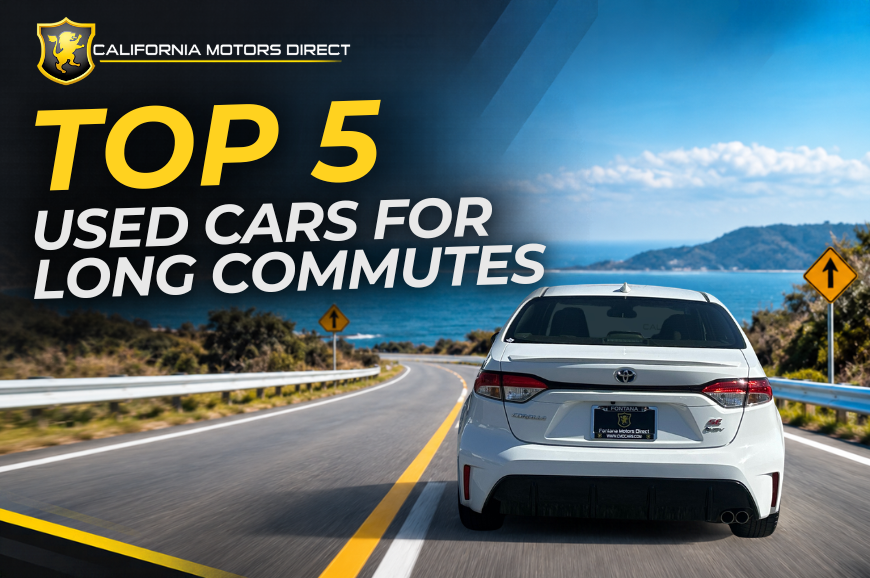
    A vehicle driving on a highway at sunset with text highlighting top used cars for long commutes

    A long commute is brutal on your wallet and your body—unless you pick a used car built for it. The best commuter cars aren’t just “good on gas.” They’re the ones that stay comfortable after 60–90 minutes behind the wheel, rack up miles reliably, keep you safe, and don’t surprise you with expensive repairs.

    This guide is built to help you compare the best commuter-friendly used cars side-by-side so you can confidently pick the one that fits your routine.

    For high-mileage drivers covering 15,000–25,000+ miles a year, long-term comfort and predictable ownership costs matter most—because even small differences affect your daily drive and monthly expenses.

    5 “Must-Haves” for Long Commutes:

    • High Real-World Efficiency (MPG/MPGe): Even a 5-10 MPG difference adds up fast over a year. EPA ratings are the most consistent benchmark for comparisons.
    • Proven Reliability: Long-commute drivers need vehicles that hold up when mileage climbs fast, especially over 5-10 years. Consumer Reports‘ used-car reliability reporting is a solid foundation.
    • Comfort + Low Fatigue: Quiet cabin, stable ride, supportive seats, and smooth braking matter more than people expect.
    • Safety: Look for strong IIHS performance and trims with strong crash performance + effective crash-avoidance tech.
    • Low Total Cost of Ownership: Tires, brakes, routine service, insurance, and depreciation all matter for commuters.

    Below are the top commuter picks with who they’re best for, what they do best, and what to watch—so you can compare without hunting across 10 websites.

    1. Toyota Prius: Best for Maximum Fuel Savings

    If minimizing fuel costs while reliably accumulating miles is your top priority, the Prius remains a proven commuter favorite. Its real-world efficiency, particularly in traffic, is why it has earned legendary status.

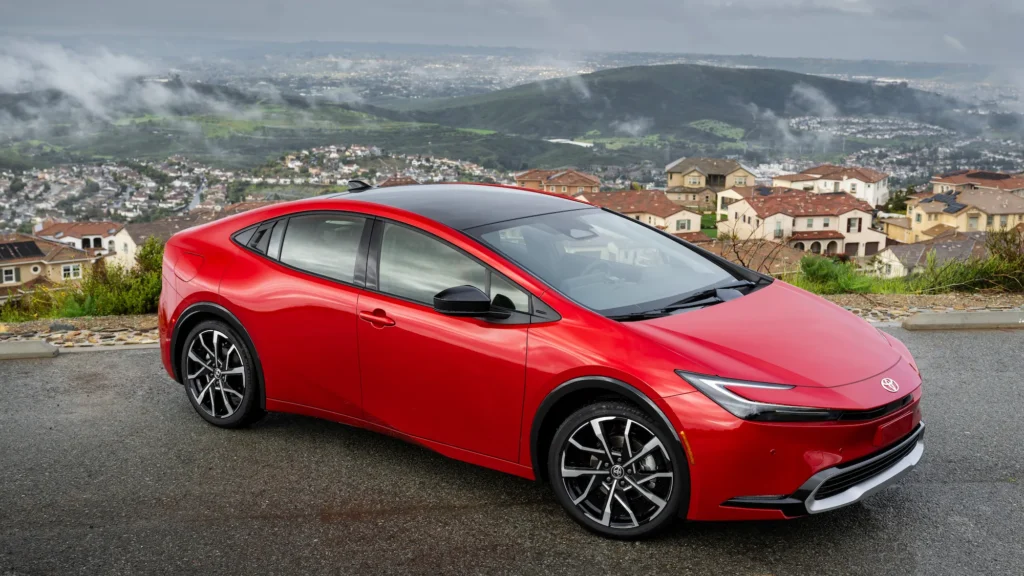
    Red Toyota Prius parked on a hillside road, showcasing an efficient and reliable used car ideal for long commutes.

    Best For: 60–100+ mile daily commutes, rideshare, and heavy traffic routes.

    • Extremely high EPA efficiency depending on trim—examples include 52 MPG combined for the 2020 Prius and 56 MPG combined for the 2020 Prius Eco.
    • Hybrid systems shine in stop-and-go driving because they reduce engine idling and recapture braking energy.
    • Strong long-term ownership reputation and typically low surprise repair rates in the used market.

    🚨 Watch-Outs (quick but important):

    • Make sure the hybrid battery and cooling system have no warning lights and that maintenance history is clean.
    • Tires and alignment matter a lot for MPG—uneven wear is a red flag for neglected maintenance.

    2. Toyota Corolla Hybrid: Best “Budget Hybrid” Choice

    The Corolla Hybrid stands out as a ‘set it and forget it’ commuter vehicle, offering excellent long-distance efficiency without unnecessary complexity. For drivers seeking Prius-level fuel savings with a traditional sedan experience, it’s a strong option.

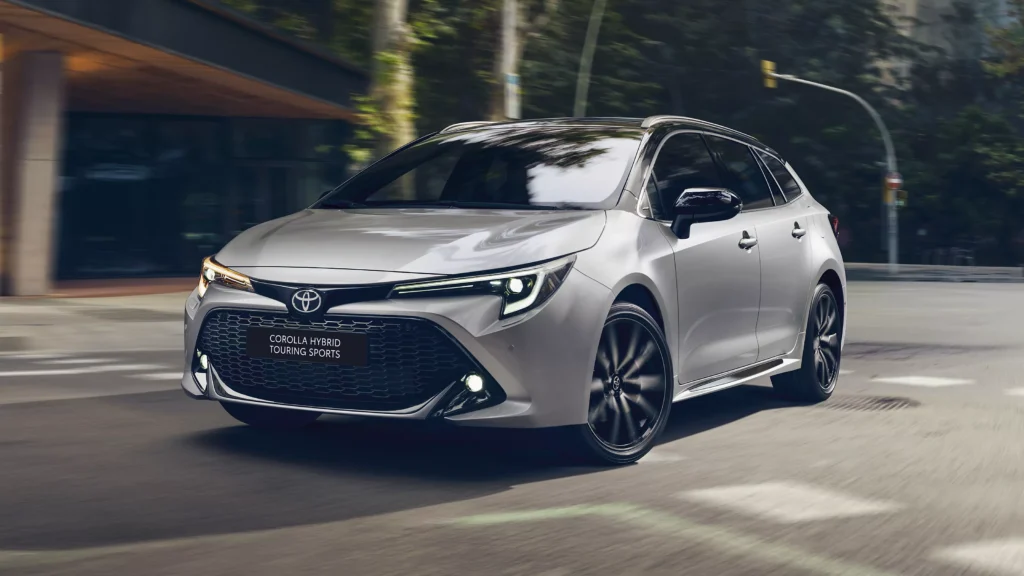
    Silver Toyota Corolla Hybrid driving in the city, showcasing a fuel-efficient and comfortable commuter car.

    Best For: budget-focused commuters looking for reliable hybrid savings without the higher cost of midsize pricing.

    • Known for excellent fuel efficiency, the 2020 Toyota Corolla Hybrid achieves an EPA-estimated 52 MPG combined—ideal for daily commuters focused on long-term fuel savings.
    • Corolla nameplate consistently scores well in used-car reliability discussions, reinforcing its reputation for long-term dependability.
    • The compact size improves everyday usability, making parking, lane changes, and dense commuting traffic easier to manage.

    🚨 Watch-Outs (quick but important):

    • Some trims are more basic, so long-distance commuters should focus on trims that offer better seat comfort and driver-assist features for extended freeway driving.
    • MPG varies by model year and trim, so be sure to check FuelEconomy.gov to confirm the exact rating for your vehicle.

    3. Honda Accord Hybrid: Best for Comfort + Efficiency

    The Honda Accord Hybrid stands out as a premium commuter vehicle, offering a smooth ride, strong fuel efficiency, and a spacious cabin—ideal for long freeway commutes.

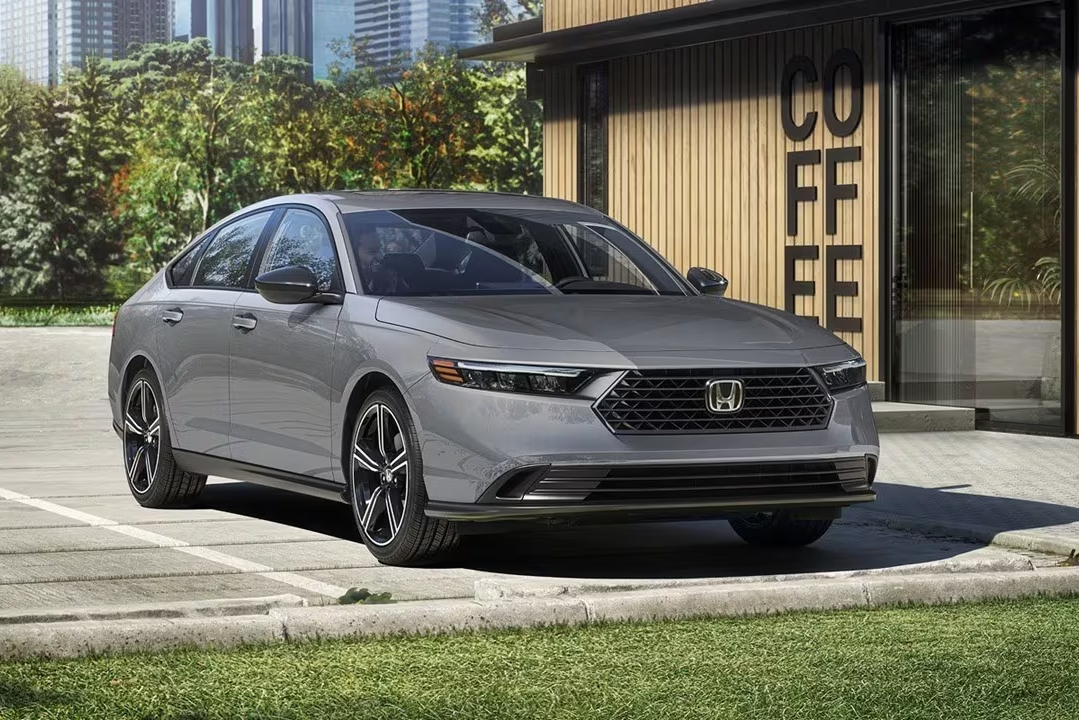
    Gray Honda Accord sedan parked in front of a café, showcasing modern design and commuter-friendly comfort.

    Best For: commuters who want a comfortable, refined drive with hybrid efficiency for long freeway miles.

    • Midsize comfort designed to reduce driver fatigue during long-distance commutes.
    • Honda vehicles are widely recognized for dependable long-term performance in the used-car market.
    • Strong safety reputation; the Accord appears on IIHS Top Safety Pick lists for certain years/trims.
    • The 2025 Honda Accord Hybrid earns strong fuel economy — with some trims rated as high as an EPA-estimated 51 MPG

    🚨 Watch-Outs (quick but important):

    • Inspect tires and brakes—commuter cars can burn through these quickly depending on routes.
    • Verify and make sure the specific car has the safety tech you want (features can vary by year/trim).

    4. Toyota Camry Hybrid: Best “Long Freeway Cruiser” Hybrid

    The Toyota Camry Hybrid blends strong hybrid fuel efficiency with a roomy cabin and relaxed highway experience, making it a smart upgrade for long-distance commuters.

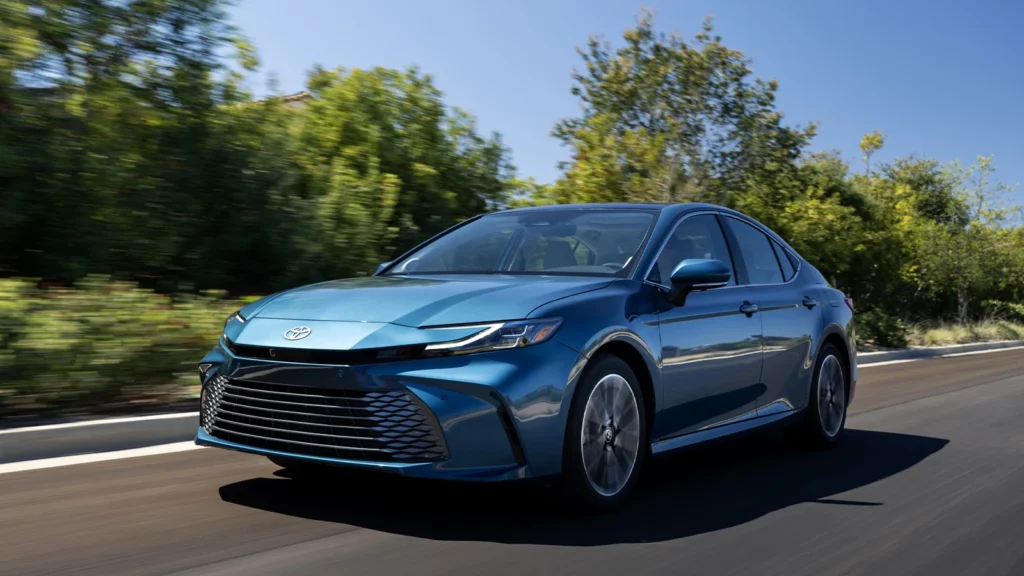
    A blue Toyota Camry Hybrid sedan driving on a road with trees in the background.

    Best For: drivers with long freeway commutes who prioritize comfort, space, and versatility.

    • Strong MPG for a midsize sedan (verify exact numbers by year/trim).
    • The 2025 Camry delivers impressive efficiency—EPA estimates up to 53 MPG in the city and about 51 MPG combined in its most efficient trim.
    • Camry models are often strong performers in safety ratings; IIHS provides model-year safety details and test results.

    🚨 Watch-Outs (quick but important):

    • Verify consistent oil-change records, since high-mileage commuter cars require more frequent service intervals.
    • Verify the trim’s headlights and safety package details if safety features are a key priority for your commute.

    5. Honda Civic: Best Efficient Gas Commuter

    The Honda Civic is a smart long-commute option for drivers who want a non-hybrid vehicle with strong fuel economy, wide used-market availability, and reliable everyday performance.

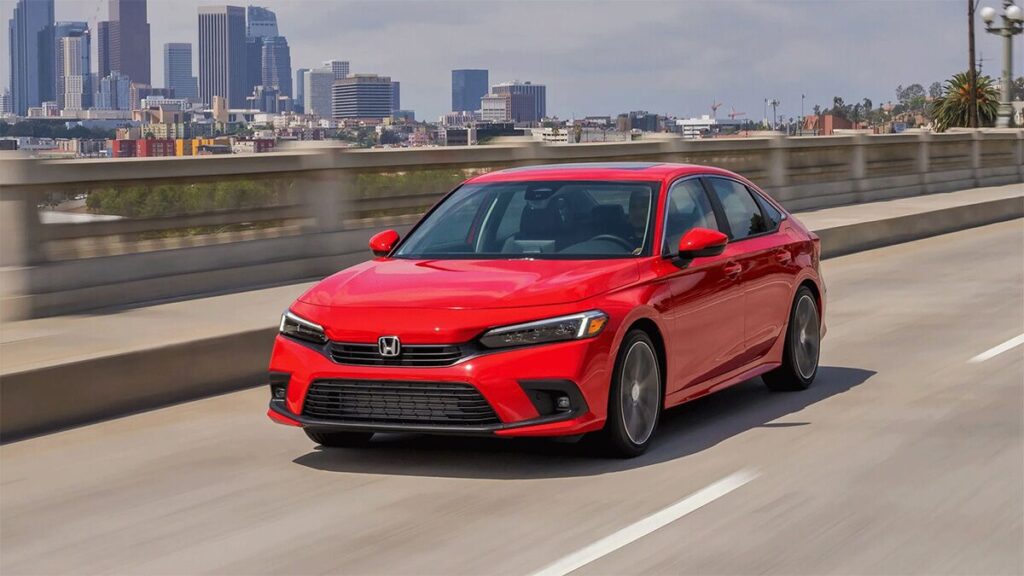
    A red Honda Civic sedan driving on a freeway with buildings visible in the distance.

    Best For: commuters looking for efficient MPG and low-maintenance, gas-only ownership.

    • Regularly recommended in best used car rankings and reliability-focused buyer guides.
    • EPA efficiency varies by engine/transmission. For example, a 2020 Civic configuration shows 35 MPG combined (31 city / 40 highway).
    • A strong used-car market creates more shopping options and better price competition.
    • Efficient gas mileage compared to many non-hybrid rivals.

    🚨 Watch-Outs (quick but important):

    • Different Civic versions have different MPG—verify the exact configuration before buying.
    • Even reliable brands can disappoint if maintenance is poor, so steer clear of vehicles with vague histories or signs of neglect.

    The best used car for a long commute is the one that saves you money and saves you energy. Start with efficiency, reliability, comfort, and safety—and pick the vehicle that matches your real driving pattern. If you want the safest bet for high-mileage ownership, shortlists built on EPA efficiency benchmarks and proven used reliability data are the smartest place to begin.

  • Buy Used Hybrid vs EV in Southern California

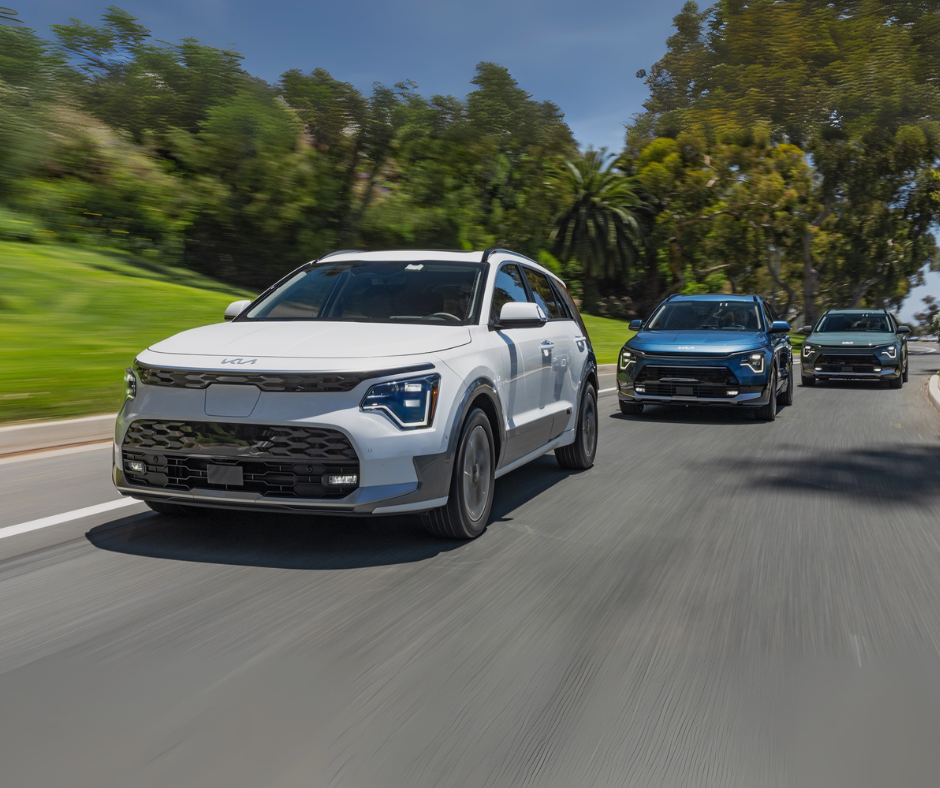
    title image of blog with kia cars driving on a road

    Southern California is one of the most exciting car markets in the country. With high fuel prices, strict emissions standards, and the state’s transition toward clean energy, many drivers are asking the same question: is a used hybrid or used EV the smarter buy?

    The truth is both options have their advantages, and the right choice depends on how you drive, where you live, and whether you have access to charging. Let’s break it down.

    California’s mix of policies, infrastructure, and lifestyle makes owning an electrified vehicle much more practical than in other states.

    • Fuel Prices: Gas prices are consistently among the highest in the U.S. (often $1.50–$2.00 higher per gallon than the national average). Hybrids and EVs save SoCal drivers thousands annually.
    • Traffic Conditions: Stop-and-go commutes favor hybrids (regenerative braking = better MPG) and EVs (max efficiency in low-speed traffic).
    • Environmental Policies: California enforces strict emissions standards and is phasing out new gasoline car sales by 2035. Used EVs and hybrids will likely retain long-term demand in SoCal as clean transportation becomes mandatory.
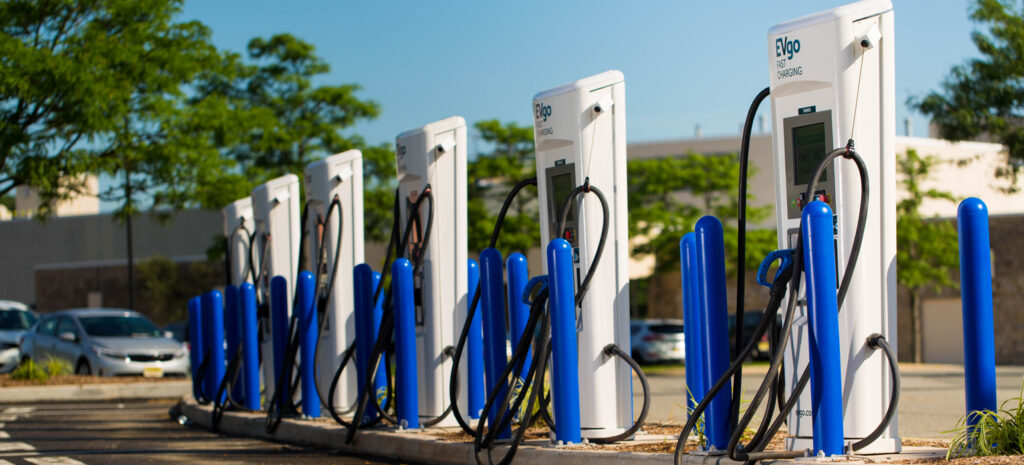
    • Charging Growth: California leads the U.S. with more than 178,000 charging ports, and more are added each year.
    A row of EV charging stations lined up.

    This means whether you choose a hybrid or an EV, you’ll benefit more in Southern California than in most other regions.

    The financial side is where EVs really shine in SoCal, thanks to stackable incentives.

    Federal Used EV Tax Credit:

    • Up to $4,000 off or qualifying EVs/PHEVs or 30% of the purchase price.
    • Qualifying used EV must be:
      • Purchased from a dealer (not private sale).
      • Priced under $25,000.
      • Model year at least 2 years older than purchase year.
      • Buyer must meet income limits ($75k individual / $150k married).
    • The best part: since 2024, this credit can be transferred to the dealer for an instant discount off the purchase price.

    Southern California Utility Rebate:

    • Southern California Edison (SCE): $1,000 standard rebate; up to $4,000 for income-qualified buyers.
    • LADWP (Los Angeles): Up to $4,000 for qualifying used EVs. In some cases, when stacked with federal credits, buyers report savings of $6,000–$8,000 on a single purchase.

    Replace Your Ride (Income-Qualified Programs):

    • Grants of $7,000–$12,000 to scrap an older vehicle and replace it with a hybrid, PHEV, or EV.
    • Includes additional support like $2,000 for home charging installation.
    • Funds are limited, so these programs open/close based on budgets.

    For EV buyers, these rebates can reduce costs by 30–50%, making used EVs a much stronger financial case.

    💡 Contact us today to learn more about our incentive offers.

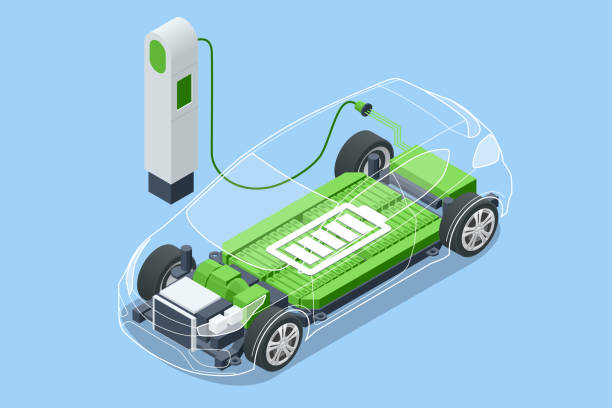
    Battery life is the #1 worry for used EV shoppers, but most fears are outdated.

    On average, EV batteries lose only about 1.5–2% of capacity per year. In SoCal’s climate, this means a five-year-old EV may only lose 25–30 miles of range.

    EV battery and how it is charged

    Warranty and Regulation:

    Warranties provide consumers with peace of mind. Most EVs come with 8-year/100,000-mile battery coverage, while Toyota and Hyundai extend some hybrid and PHEV battery warranties up to 10 years/150,000 miles.

    California’s new rules give EV shoppers more confidence than ever. Beginning with 2026 models, electric vehicles must keep at least 70% of their battery capacity for 10 years or 150,000 miles. Starting in 2030, that standard rises to 80%. In simple terms, newer EVs are built to last longer—and these protections will benefit buyers in the used market too.

    💡 Pro Tip for Buyers: Ask for a battery health report (many EVs track state of health in software), and run a long highway test with A/C on to see real-world range.

    When it comes to dependability, not all powertrains are equal.

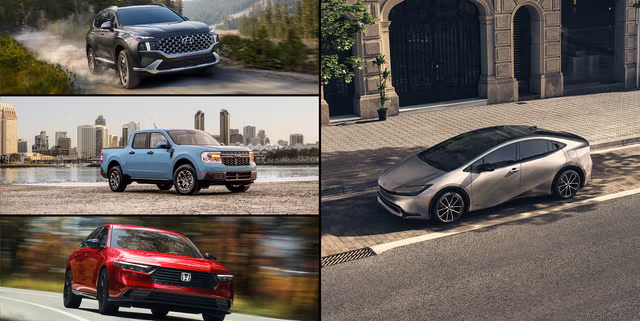
    Hybrids: Proven and Predictable

    Some of the top performing hybrid vehicles in a collage

    Hybrids have been on U.S. roads for over 2 decades and are known for their long-term durability. The Toyota Prius, for example, often runs past 200,000 miles with just routine care. Today, brands like Toyota, Honda, and Ford have refined hybrid systems so well that failure rates remain very low.

    • The gasoline engine handles most of the heavy lifting, so the smaller battery is less stressed compared to a full EV battery.
    • Hybrid batteries are air-cooled and built for longevity, and replacement costs have dropped significantly in the past decade (often $1,500–$3,000 today).
    • Consumer Reports consistently ranks hybrids like the Toyota Prius, Honda Accord Hybrid, and Lexus ES Hybrid among the most reliable vehicles overall.
    • Explore more on why Hybrids are the smart choice in SoCal.

    👉 For drivers who want peace of mind, hybrids are the most proven option with the lowest ownership risk.

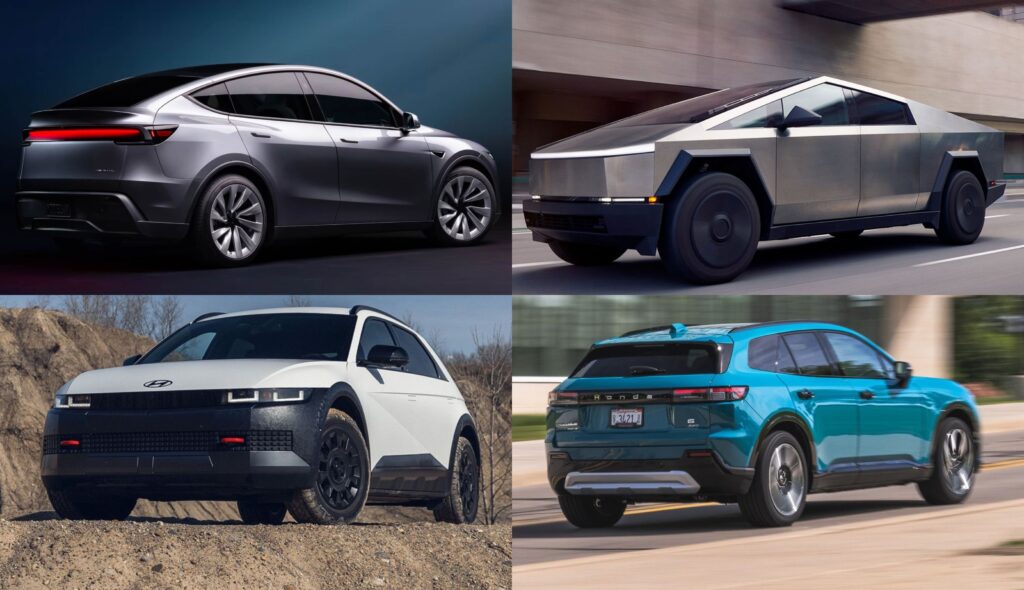
    EVs: Simpler Mechanics

    Four of the top EVs in a collage

    EVs, in theory, should be more reliable because they have far fewer moving parts. There are no oil changes, timing belts, or exhaust systems, and regenerative braking means brake pads last longer. For many owners, that translates into lower maintenance costs year after year.

    However, because EVs are still relatively new, reliability studies show mixed results:

    • Early EVs like the Nissan Leaf and Chevy Bolt had more issues with battery degradation and recalls, especially around fast charging and thermal management.
    • Newer EVs (Tesla Model 3/Y, Hyundai Kona EV, Kia EV6, etc.) show better long-term battery performance, but may experience software glitches, touchscreen malfunctions, or problems with advanced driver assistance systems.
    • Repair costs can be higher due to specialized parts and limited availability of trained technicians, though routine upkeep is minimal compared to hybrids or gas cars.

    👉 If you can tolerate occasional tech hiccups, an EV will still save you money over time due to lower maintenance and fueling costs.

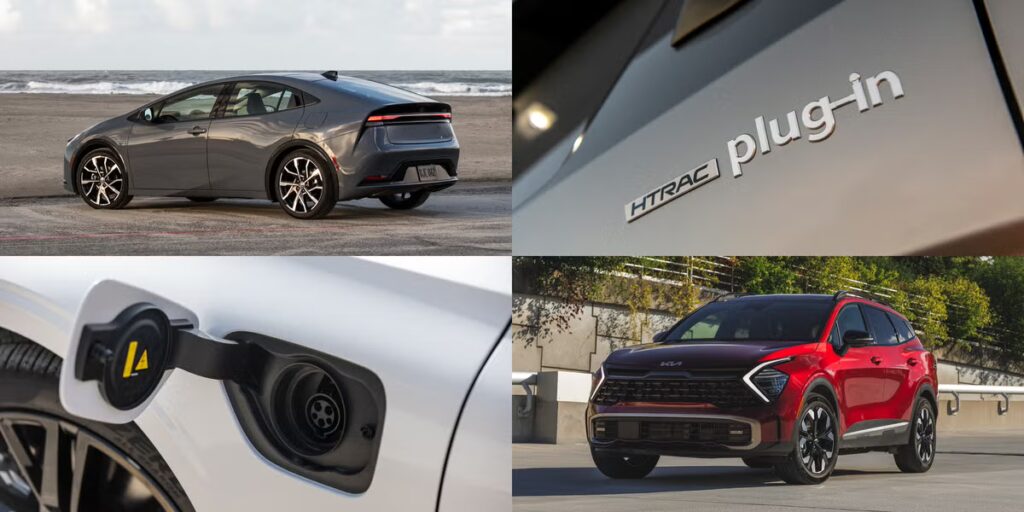
    PHEVs: Twice the Systems

    Two PHEV vehicles and a close up images of a gas tank and name of trim

    Plug-in hybrids (PHEVs) combine a full hybrid system with a larger battery and plug-in charging capability. While they offer flexibility—electric miles for short trips and gas backup for longer ones—this dual nature can impact reliability.

    • Two drivetrains to maintain: a gas engine plus a larger EV system, meaning more parts that can fail.
    • Battery use is higher than a traditional hybrid, so range degradation over time is more noticeable.
    • Consumer surveys often rank PHEVs as less reliable than both hybrids and EVs because of this added complexity.

    👉 PHEVs can be a sweet spot if you want both gas and electric flexibility, but they typically come with the highest risk of repairs out of the three.

    Even with incentives, EVs and hybrids come with unique costs:

    • Annual EV Road Improvement Fee: About $100/year on EV registrations in CA.
    • Insurance: EVs can carry higher premiums (due to parts/repair costs) , while hybrids usually cost about the same as gas vehicles.
    • Fuel vs. Charging:
      • Home charging = ~$0.15–$0.25 per kWh (often cheaper with time-of-use rates). That’s the equivalent of paying $1–$1.50 per gallon.
      • Gas in SoCal = often $5–$6 per gallon. Hybrids mitigate this but can’t compete with home-charged EV costs.
      • Hybrids improve MPG significantly, but EVs still win on fuel cost if home charging is available.

    Think about your lifestyle before deciding:

    Used Hybrid: 🚙

    • Ideal for renters without home chargers.
    • Simple, reliable, and less expensive to maintain.
    • 40–55+ MPG in LA traffic saves hundreds monthly.

    🚨 Browse our inventory of 100+ hybrid vehicles.

    Used EV:

    • Perfect if you own a home or have charging access.
    • Lowest operating costs (fuel + maintenance).
    • Best option for budget-savvy buyers who take advantage of rebates + depreciation discounts.

    🚨 Shop our EV lineup and choose from more than 20 vehicles.

    Used PHEV: 🔌

    • Great compromise: electric miles for local errands + gas backup for road trips.
    • Best if you can charge at home but still want flexibility.
    • Just note: less reliable than hybrids, but more flexible than EVs.

    🚨 View our PHEV inventory of 20+ vehicles.

    Southern California offers the perfect environment for both hybrids and EVs. If you live in an apartment or rent without charging access, hybrids will save you the most headaches. But if you own a home or have consistent charging access, a used EV will outperform a hybrid in cost savings, especially with today’s rebates, steep depreciation, and California’s supportive policies.

    👉 Either way, you’ll save money compared to a traditional gas car—and contribute to cleaner air in one of the country’s most congested regions.

  • Top 5 Used Cars for Uber and Lyft Drivers

    top 5 used cars for uber and lyft drivers

    Driving for Uber or Lyft in California is more than just having a car—it’s about choosing the right car at the right place. Gas prices are among the highest in the country, traffic congestion is a daily reality, and passengers expect a safe, comfortable ride. That’s why smart rideshare drivers across the Golden State invest in reliable, fuel-efficient used cars that go the distance without draining their wallets.

    Let’s take a closer look at the top used cars that check all the boxes for Uber and Lyft drivers operating in the Golden State.

    Before diving into specific models, here are the key qualities to prioritize:

    Fuel Efficiency – California gas prices aren’t cheap. The more MPG, the more money stays in your pocket.
    Interior Space – Especially for UberX and Uber Comfort, legroom and trunk space matter.
    Reliability – You can’t make money if your car is always in the shop.
    Low Maintenance Costs – Parts and labor should be affordable and easy to find.
    Rideshare Approval – Uber and Lyft have year and condition requirements. Typically, cars must be 15 years old or newer (Uber) or meet state-specific rules.
    Technology Features – Backup camera, Bluetooth, and smartphone connectivity boost both safety and ratings.

    Now, let’s explore the best used cars that check all these boxes.

    MORE: Reasons Why Hybrids are the Top Choices

    A Pioneer in Hybrid Technology

    white 2020 toyota prius driving on a road

    The Toyota Prius is a household name for one reason: it changed how people think about fuel efficiency. This compact hatchback features a hybrid-electric powertrain that delivers exceptional gas mileage without sacrificing interior space. The Prius boasts a quiet cabin, smooth ride, and tech-forward design with standard features like push-button start, backup camera, and Bluetooth.

    Key Features:

    • Fuel Economy: ~50 mpg city / 48 mpg highway
    • Powertrain: 1.8L 4-cylinder hybrid engine
    • Interior: Surprisingly roomy for a compact, with 27 cu ft of cargo space
    • Reliability: One of the most dependable hybrids on the market

    ✅ Why It’s Great for Uber & Lyft

    • Outstanding fuel savings—ideal for long daily driving
    • Low maintenance costs = more money in your pocket
    • Ample trunk space for luggage, groceries, or delivery orders
    • Eligible for California’s HOV lane with proper decals
    • High resale value

    💵 Estimated Used Price (CA): $10,000–$18,000 (2015–2019 models)

    A Refined Hybrid With a Premium Feel

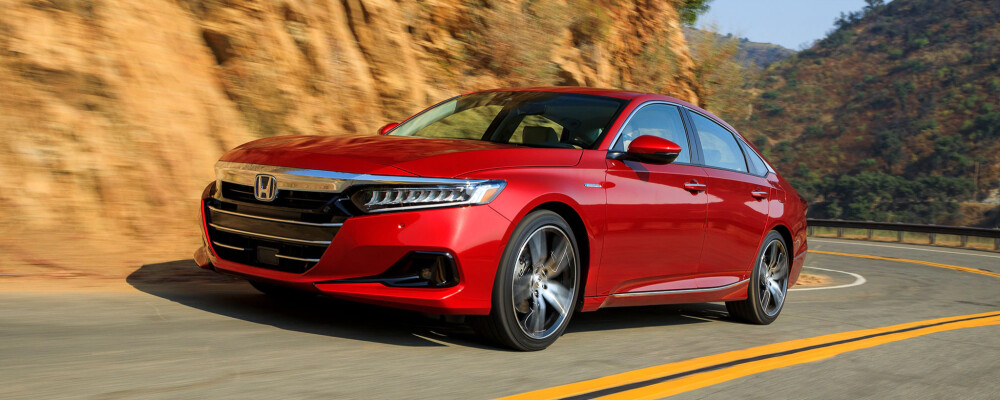
    red 2021 honda accord hybrid on mountain road

    The Honda Accord Hybrid blends everything drivers love about the Accord—roominess, comfort, and excellent handling—with the fuel savings of a hybrid. The interior is spacious and upscale, often featuring leather seats, dual-zone climate control, and a large touchscreen interface. Passengers enjoy generous rear legroom, while drivers appreciate the smooth, quiet powertrain.

    Key Features:

    • Fuel Economy: ~48 mpg city / 47 highway
    • Powertrain: 2.0L 4-cylinder hybrid
    • Interior: High-end materials, tech-rich dashboard, quiet cabin
    • Cargo: 16.7 cu ft trunk, among the largest in its class

    ✅ Why It’s Great for Uber & Lyft

    • Roomy and refined enough for Uber Comfort tier
    • Quiet ride ideal for longer airport or interstate trips
    • High fuel efficiency with the upscale feel of a near-luxury sedan
    • Maintains high resale value for long-term investment

    💵 Estimated Used Price (CA): $20,000–$28,000 (2017–2020 models)

    MORE: Explore More Vehicles with High Resale Value

    Timeless Reliability Meets Modern Hybrid Efficiency

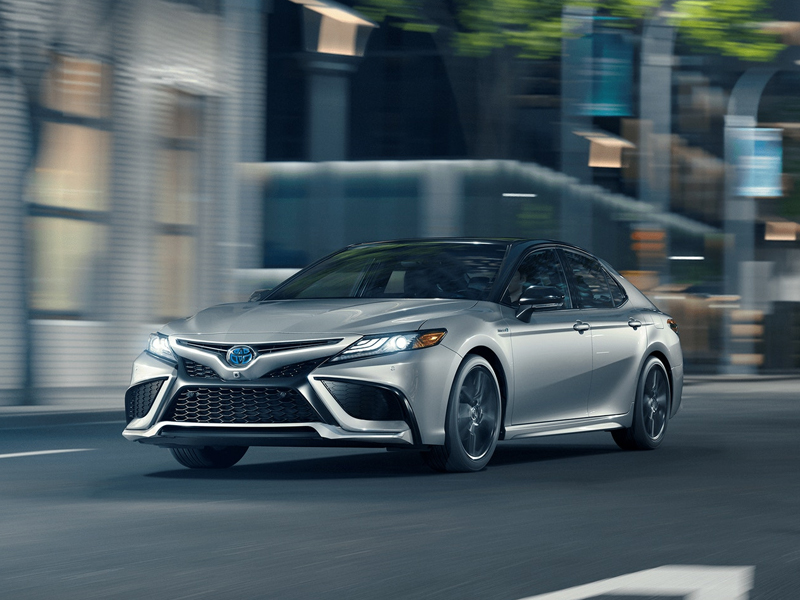
    grey 2021 toyota camry hybrid driving on road at night

    The Toyota Camry Hybrid offers everything drivers have come to expect from the Camry—bulletproof dependability, easy maintenance, and a smooth ride—while adding hybrid fuel efficiency. It’s a midsize sedan that punches above its class in both value and comfort, with a quiet cabin and advanced safety features like adaptive cruise control and lane departure alert.

    Key Features:

    • Fuel Economy: ~44–46 mpg combined
    • Powertrain: 2.5L hybrid 4-cylinder
    • Interior: Supportive seats, user-friendly infotainment, quality finishes
    • Safety: Toyota Safety Sense standard on 2018+ models

    ✅ Why It’s Great for Uber & Lyft

    • A familiar, trusted brand that reassures passengers
    • Smooth ride and quiet interior boost rider satisfaction
    • Excellent MPG, especially for a non-compact sedan
    • Easy to maintain with widely available parts

    💵 Estimated Used Price (CA): $14,000–$24,000 (2016–2019 models)

    Value-Packed and Stylish

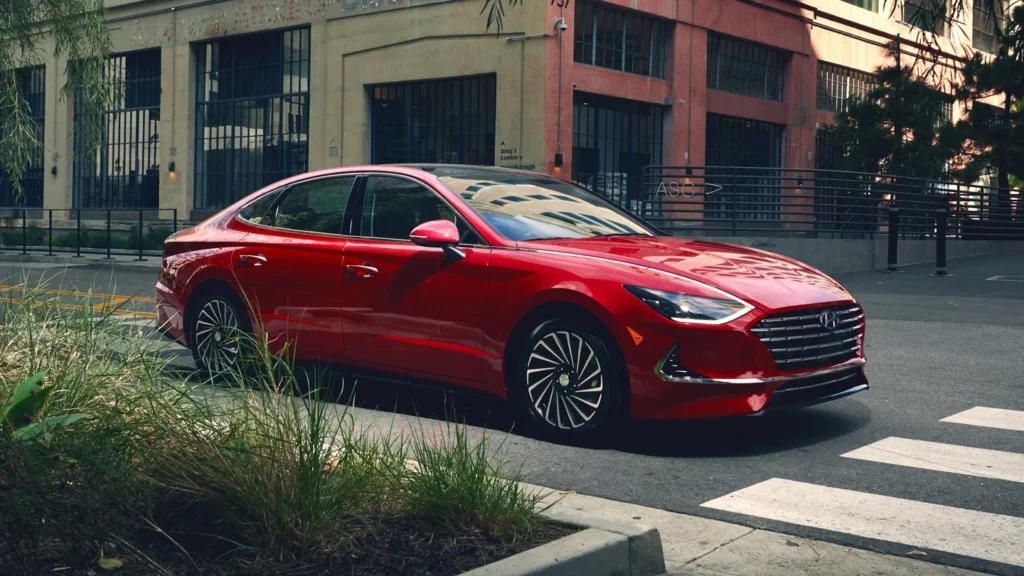
    a parked red 2020 hyundai sonata hybrid

    The Hyundai Sonata Hybrid stands out for offering a premium look and feel without the premium price. It features a sleek design, a spacious interior, and user-friendly tech like Apple CarPlay, Android Auto, and touchscreen displays. Higher trims often include heated seats, panoramic sunroof, and driver assistance systems—rare in this price segment.

    Key Features:

    • Fuel Economy: ~47 mpg combined
    • Powertrain: 2.0L hybrid engine
    • Design: Clean, modern lines with a luxury feel
    • Technology: Some trims offer lane keep assist, blind spot monitoring

    ✅ Why It’s Great for Uber & Lyft

    • Lower purchase price with high-end amenities
    • Tech-savvy cabin keeps both drivers and riders happy
    • High fuel economy with great ride comfort
    • Still under warranty if under 100,000 miles (Hyundai’s 10-year powertrain coverage)

    💵 Estimated Used Price (CA): $14,000–$22,000 (2017–2019 models)

    A Crossover Built for Urban Efficiency

    red 2021 kia niro hybrid

    The Kia Niro Hybrid offers the body and visibility of a small SUV with the fuel economy of a compact hybrid. It features a spacious interior, elevated driving position, and a flat cargo floor—making it versatile for both passengers and packages. Its unique crossover-hatchback profile makes it feel roomier than a sedan without sacrificing MPG.

    Key Features:

    • Fuel Economy: ~50 mpg combined
    • Powertrain: 1.6L hybrid 4-cylinder
    • Interior: Roomy with SUV feel, up to 54.5 cu ft with seats folded
    • Technology: Standard Apple CarPlay/Android Auto

    ✅ Why It’s Great for Uber & Lyft

    • Great for drivers needing more cargo space or taller seating
    • Fantastic fuel economy for a crossover
    • Easier to enter/exit—perfect for elderly or frequent riders
    • Potential HOV lane access (if not previously registered)

    💵 Estimated Used Price (CA): $15,000–$24,000 (2017–2020 models)

    Here are some tips to help you choose the right used car:

    • Get a pre-purchase inspection – Even from dealers
    • Check rideshare eligibility – Uber & Lyft vehicle requirements vary by city
    • Target newer models (2016 or newer) – For features and eligibility
    • Keep maintenance records – Uber and Lyft require documentation
    • Check for accident history – Clean Carfax is a plus
    • Think local – Consider traffic, terrain, and commute length in your area (e.g., LA freeways vs. SF hills)

    MORE: Extra Buying Tips on Used Vehicles

    The best used car for Uber or Lyft in California isn’t just about price—it’s about maximizing your time on the road. Prioritize fuel efficiency, comfort, and long-term reliability, and you’ll earn more with fewer headaches.

    If you’re shopping for a used rideshare vehicle in California, start with the models above. Each brings real-world value, high ratings from drivers, and proven results on the road.

    MORE: Have any questions or inquiries? Contact us!