



If you’re cross-shopping used cars for a commute through Orange County or out to the Inland Empire, how long do hybrid batteries last is rarely the real question. The real question is simpler: will this car save me money on gas, or hand me a huge repair bill in two years?
That’s a fair thing to worry about, and most of what’s written about it is either a scare story or a sales pitch. So here’s the straight version — what a replacement actually costs, how long these batteries really go, and the specific things you can check on a particular car before you decide.
How Long Do Hybrid Batteries Last? Years and Mileage
According to AAA, hybrid batteries can last 100,000 to 150,000 miles, with many potentially reaching 200,000 miles. Kelley Blue Book lands in the same place from a different angle, saying today’s hybrid batteries last at least 10 years, or between 100,000 and 150,000 miles.
How fast does mileage add up?
Years to reach 100,000–150,000 miles at three annual driving rates.
After the 10-year mark
Around the 10-year mark
Before the 10-year mark
A long commute can bring a hybrid into this mileage range years before it turns 10. On a low-mileage hybrid, check the car’s age as well as its odometer.
Odometer miles ÷ vehicle age in years = average miles per year
Example: 72,000 miles ÷ 6 years = 12,000 miles per year.
The 10-year mark is a comparison point. Actual battery life varies by vehicle.
Worth knowing: “failed” doesn’t mean the car stops. AAA defines a failed hybrid battery as one whose capacity has fallen to about 70% of its maximum. As capacity declines, the gasoline engine may run more often, reducing fuel economy. Some manufacturers expect more than the average: Kia suggests its hybrid batteries will last 150,000 miles or up to 15 years before needing replacement.
These are ranges, not promises. Nobody can tell you how long the battery in one specific used car will last — but you can learn a lot about that specific car, which is what the rest of this covers.
Hybrid Battery Replacement Costs and Options
A new hybrid battery runs about $4,000 to $5,000 according to AAA, roughly a quarter of what an EV battery costs. Kelley Blue Book gives a wider range across the whole hybrid market, putting it at somewhere between $2,000 and $8,000 depending on the vehicle.
But buying a new battery from the dealership isn’t your only option, and that’s a detail that often gets overlooked. AAA notes that a used battery runs $1,000 to $2,500 and can serve as a less costly stopgap, while a refurbished unit can cost about a quarter of a new one.
| Your option | Typical cost | What you’re getting |
|---|---|---|
| Still under warranty Check this first |
$0 | Covered replacement, if the car is within its coverage window — see the warranty section below |
| Used battery | $1,000–$2,500 | A stopgap. Unknown remaining life, usually a short warranty |
| Refurbished / reconditioned | About a quarterof a new one | Rebuilt pack, typically with some warranty from the rebuilder |
| New replacement | $4,000–$5,000or $2,000–$8,000 across the market | New pack, full manufacturer or supplier warranty |
Swipe the table sideways to see every column.
Cost figures from AAA and Kelley Blue Book, verified October 2026. Actual pricing varies by model, model year and shop.
Think of it this way: you’re weighing a potential one-time repair bill you may never face during ownership against fuel savings that add up every month. For commuters logging serious miles on the 55 or the 91, those savings can start from day one.
Still deciding? Used Hybrid vs. EV in Southern California If you can charge at home, the math can look different. See how they compare on charging, battery health and running costs.Should You Avoid a Used Hybrid with More Than 100,000 Miles?
Don’t judge a used hybrid by mileage alone. Both AAA and Kelley Blue Book place 100,000 miles at the lower end of their estimated hybrid battery lifespan ranges. A hybrid with 110,000 miles and a documented maintenance history may be a better choice than one with 80,000 miles and no service records.
What matters most when evaluating a high-mileage hybrid:
- Battery age, separate from mileage. Batteries age over time, even when a car isn’t driven much. A 2016 hybrid with its original battery has roughly a decade of aging and heat exposure behind it—even with just 90,000 miles.
- Driving history and climate. Highway commuting can be gentler on a hybrid battery than frequent short trips. Climate also affects battery wear and matters more than most buyers expect (next section).
- Maintenance records. A documented service history helps you understand how well the car has been maintained and whether it has needed battery-related repairs.
- Remaining warranty coverage. Check whether the hybrid battery is still covered and whether that coverage transfers to you. Some California hybrids may have more coverage remaining than you expect.
Mileage is a starting filter, not a verdict.
How Southern California Heat Affects Hybrid Battery Life
Heat is a major environmental factor affecting hybrid battery health. AAA identifies extreme temperatures, especially heat, as leading contributors to battery degradation, partly because the car burns extra energy running the battery’s cooling system.

Kelley Blue Book lists 59°F to 95°F as the ideal temperature range for hybrid battery efficiency and performance. Repeated exposure to extreme heat can shorten battery life, making heat exposure worth considering when shopping in inland Southern California.
This isn’t a reason to skip a used hybrid. It’s a reason to verify instead of assume — to ask where the car spent its life, whether it was regularly garaged, and to have the hybrid system scanned rather than trusting a clean odometer reading. Heat is a factor you can account for, not a dealbreaker.
Hybrid Battery Warranties: Coverage and Ownership Transfers
Remaining hybrid battery warranty coverage is the most commonly missed money on a used hybrid in California. The state’s emissions warranty regulation requires manufacturers to warrant the vehicle to the ultimate purchaser and each subsequent purchaser, so remaining coverage follows the car rather than the original owner. Time, mileage, and eligibility requirements still apply, so confirm the vehicle’s remaining battery coverage with the manufacturer before buying.
California Warranty Coverage for Qualifying Hybrids
California’s warranty rules provide additional protection for certain vehicles. CARB’s warranty table lists 10 years or 150,000 miles for the battery or other energy storage device and 15 years or 150,000 miles for other covered emissions-related parts. In each case, coverage ends when either limit is reached. This extended coverage applies only to qualifying PZEV- or TZEV-certified vehicles — not to every hybrid sold here. Check the emissions label under the hood and the car’s warranty booklet, and confirm its remaining battery coverage with the manufacturer before buying.
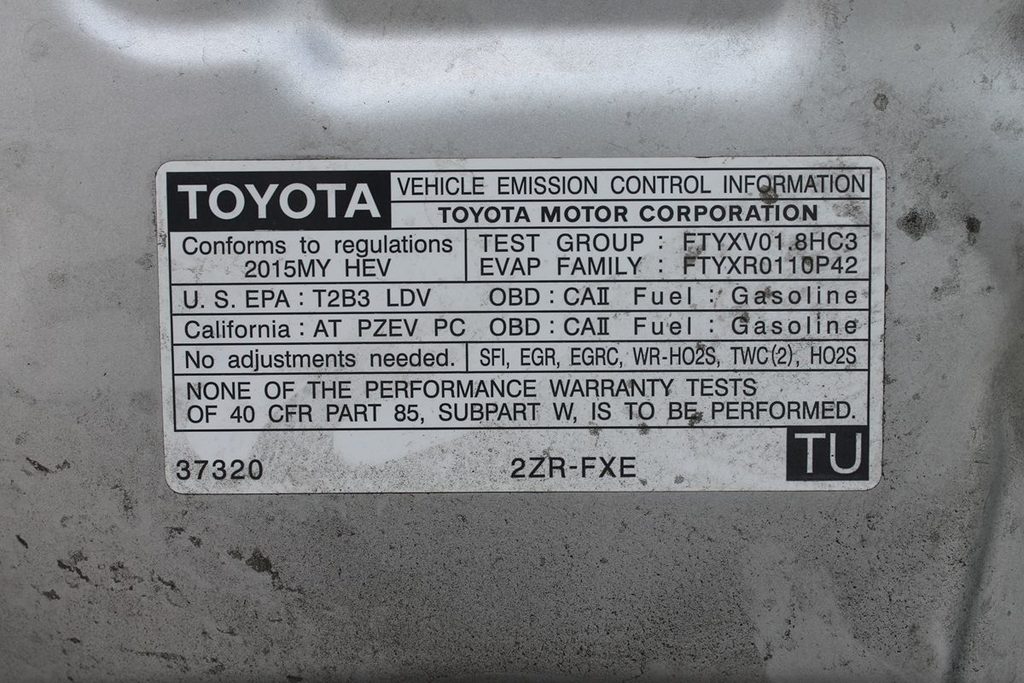
Capital One’s used-car guidance notes that California-emissions coverage holds only while the vehicle stays registered in a state that follows California’s rules.
Manufacturer Warranties and Transferable Coverage
Manufacturer coverage sits alongside that. For its 2020 and newer models, Toyota provides a limited hybrid battery warranty lasting 10 years from the vehicle’s original date of first use or 150,000 miles, whichever comes first. Any remaining coverage transfers to subsequent owners.
Warranty Coverage vs. Expected Battery Life
- Warranty coverage is the manufacturer’s commitment to cover specified repairs under stated terms, subject to time and mileage limits.
- Expected lifespan is an estimate of how long a battery may last. It cannot guarantee how long the battery in a particular vehicle will keep working.
A hybrid battery can last for years after its warranty expires, or it may need repairs during the warranty period. You can verify the applicable warranty coverage, but you can only estimate the battery’s remaining life.
5 Hybrid Battery Checks Before You Buy
A clean exterior won’t tell you how healthy a hybrid battery is. Before you commit, ask for these five pieces of information about the specific vehicle to get a clearer picture of its battery condition.
- The in-service date. Confirm the manufacturer’s recorded date of first use. This starts the warranty clock and helps you calculate how much time remains.
- The odometer compared with warranty limits. For a 10-year/150,000-mile warranty, coverage ends when either limit is reached.
- The under-hood emissions label. Use the certification sticker to identify the vehicle’s emissions classification, then confirm any applicable California warranty coverage in the warranty booklet.
- Service records. Look for documented maintenance and any previous hybrid-system repairs or battery replacement. Missing records call for further questions about the vehicle’s history.
- Hybrid-system diagnostic results. Ask a dealership or independent hybrid specialist to check battery performance and scan for stored fault codes. Request a written explanation of the findings and whether further testing is recommended.
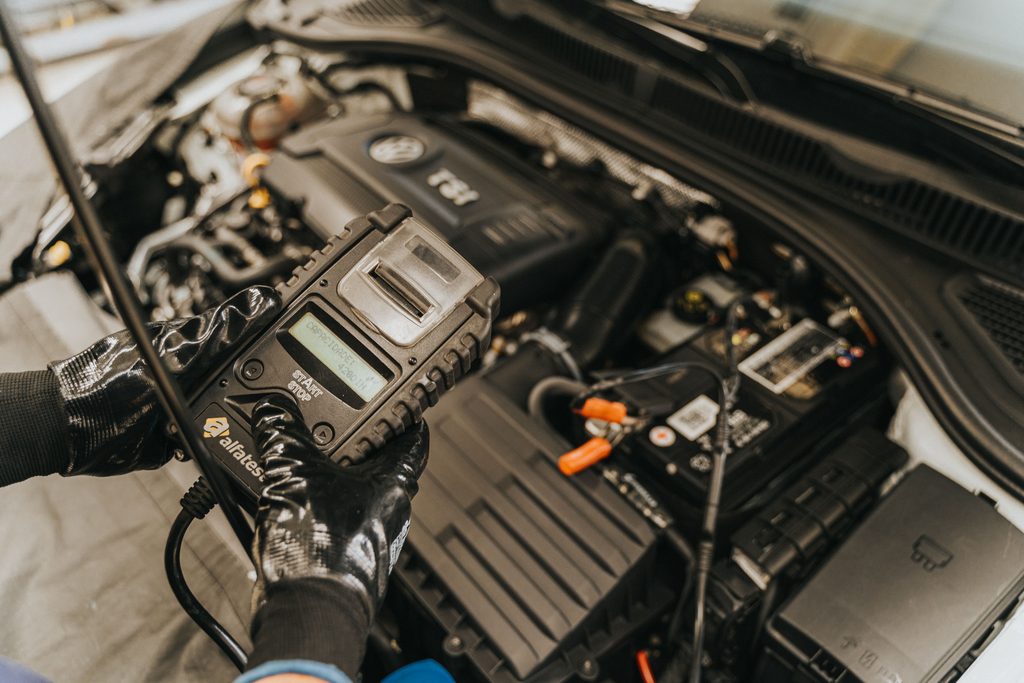
During the test drive, watch for warning lights and note how the hybrid system behaves in stop-and-go traffic. Treat the fuel economy display as one clue, and consider it alongside the inspection results and available service records before deciding.
Ready to check a real one? Browse Used Hybrid Cars for Sale Pick a few that fit your budget, then bring these five checks when you come see them in person.Warning Signs of a Failing Hybrid Battery
Watch for these four changes:
- Dashboard warnings. A message such as “Check Hybrid System” may indicate a problem that needs attention.
- Lower gas mileage. The car starts using more gas during your usual driving. AAA recommends scheduling service if fuel economy drops by 10% to 15%.
- The gasoline engine runs more often. A weakening battery may provide less electric assistance, leaving the gasoline engine to do more work.
- The electric motor doesn’t assist during acceleration. Kelley Blue Book identifies the electric motor failing to engage during hard acceleration as a possible warning sign.
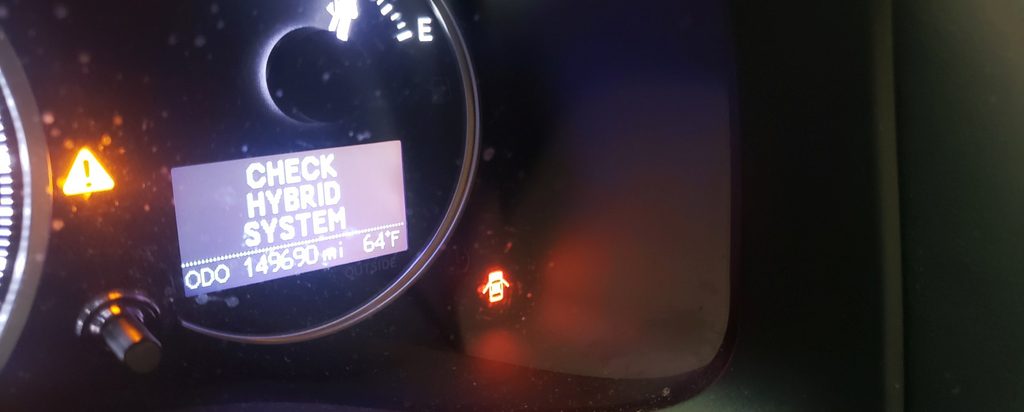
Before you buy: Have a hybrid specialist investigate any of these symptoms. Ask for the diagnostic results and an estimate for any necessary repairs before agreeing on a price.
Is Buying a Used Hybrid Worth It?
Fuel savings can make a used hybrid worth considering for your Southern California commute. The decision comes down to the car’s purchase price, how much you drive, and its condition.
Before buying, compare these four things:
- Purchase price: How much more—or less—does the hybrid cost than a similar gas-powered car?
- Fuel savings: Estimate your monthly savings based on your driving, then multiply that by the number of months you plan to keep the car.
- Battery warranty: Confirm whether coverage remains and whether the vehicle qualifies.
- Possible repair costs: Have the hybrid system inspected and factor any recommended repairs into your budget.
An older, high-mileage hybrid with no battery coverage or service records deserves closer evaluation. Its asking price should reflect its condition and potential repair costs.
The other half of the decision Why Used Hybrids Are a Smart Choice in Southern California Gas savings, stop-and-go efficiency, low maintenance and the models worth a look.Frequently Asked Questions
How long do hybrid batteries last?
AAA puts it at 100,000 to 150,000 miles, with most probably good for up to 200,000. Kelley Blue Book says at least 10 years, or 100,000 to 150,000 miles. These are averages across many vehicles, not a guarantee for any one car.
Is it worth replacing the hybrid battery or trading in the car?
Replacement may make sense if the car is otherwise in good condition and you plan to keep it. Compare the full repair estimate with the cost of replacing the vehicle, and check whether the battery is still under warranty.
Can you still drive a hybrid if its high-voltage battery fails?
It depends on the car. Some hybrids revert to a limp mode that puts all of the workload on the gas engine, while others may not run at all — and even when a car still drives, you’re adding wear to the engine and transmission every mile. Check the owner’s manual for the specific vehicle rather than assuming.
Can a used or refurbished hybrid battery save money?
They’re a legitimate middle option, not a scam, but you’re trading certainty for price. AAA describes a used battery at $1,000 to $2,500 as a less costly stopgap, and a refurbished pack costs roughly a quarter of a new one — the catch is unknown remaining life, so the rebuilder’s warranty matters more than the price.
Do plug-in hybrid batteries age differently from regular hybrid batteries?
Plug-in hybrids see a more pronounced decline in range over time because their batteries cycle far more deeply.
Explore Used Hybrids in Santa Ana
The only way to answer any of this for a specific car is to look at that specific car. Come see us at 2345 N Grand Ave, Santa Ana, CA 92705 — we’re open Monday through Saturday 8:00 AM to 9:00 PM and Sunday 9:00 AM to 7:00 PM, or call (714) 699-2167. You can browse our used hybrid cars for sale before you drive over.
Every vehicle on our lot is hand-selected by our buyers, inspected, emissions-tested and detailed before it’s listed. If it doesn’t meet our standards, it never makes it onto the lot. Financing options are available for a variety of credit situations, and financing is subject to lender approval. Trade-ins are welcome.
When you’re looking at a hybrid — here or anywhere else — ask for the service records and the inspection details before you decide.